Our journal "Nanosystems: Physics, Chemistry, Mathematics" is devoted to fundamental problems of physics, chemistry and mathematics concerning all aspects of nanosystems science. It considers both theoretical and experimental problems of physics and chemistry of nanosystems, including methods of their design and creation, studies of their structure and properties, behavior under external influences, and the possibility of use. We accept papers directly or conceptually related to the key properties of nanosystems. Nanotechnology has required the creation of new methods of mathematical modeling and mathematical physics, as well as the development of existing methods for their extension to the study of new objects, many of which were previously simply absent. The corresponding mathematical problems will be covered in our journal. The scope of the journal includes all areas of nano-sciences. Papers devoted to basic problems of physics, chemistry and mathematics inspired by nanosystems investigations are welcomed. Both theoretical and experimental works concerning the properties and behavior of nanosystems, problems of their creation and application, mathematical methods of nanosystem studies are considered. The journal publishes scientific reviews (up to 30 journal pages), research papers (up to 15 pages) and letters (up to 5 pages). All manuscripts are peer-reviewed. Authors are informed about the referee opinions and the Editorial decisions.
Current issue
MATHEMATICS
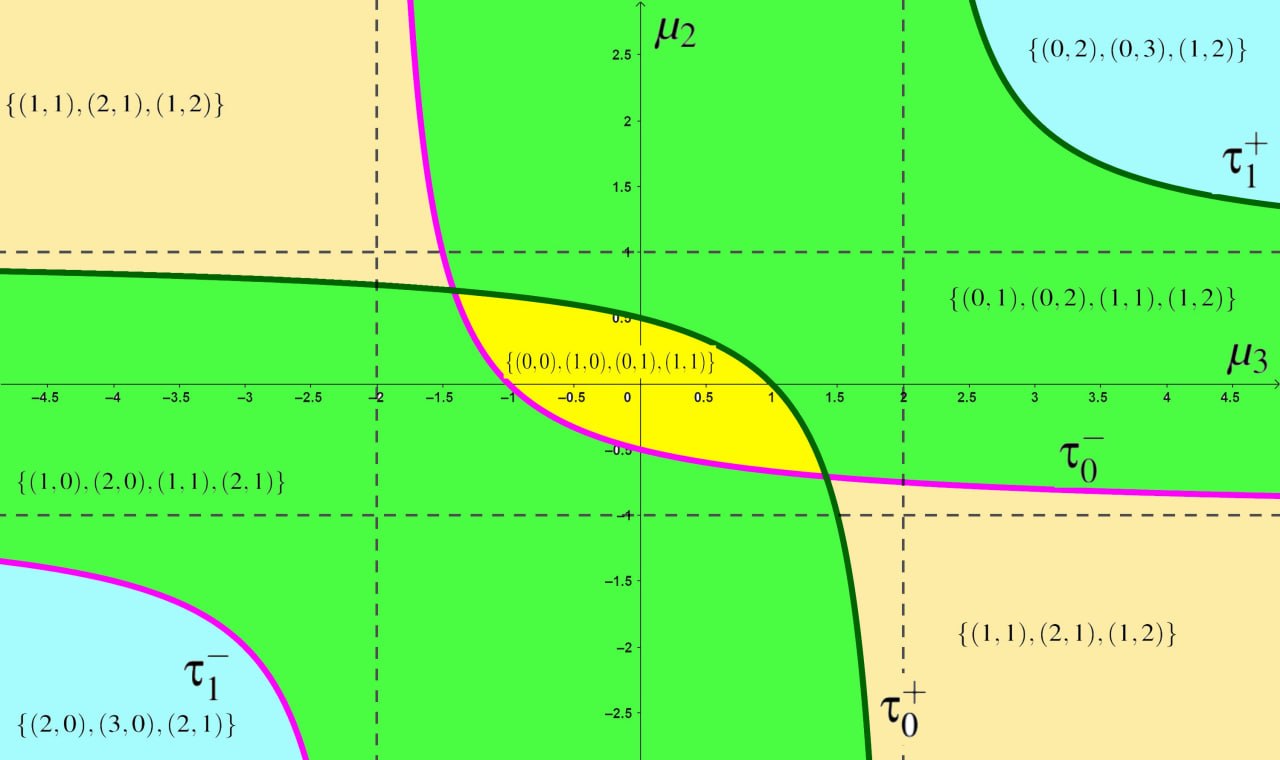
We study a family of lattice Schrödinger operators Hµ(K), describing two identical bosons on the one-dimensional lattice Z, where K ∈ T is the quasi-momentum. The interaction is described by the coupling vector µ = (µ1, µ2, µ3), where µ1 acts at the origin and µ2, µ3 at the sites |x| = 1.2. In this paper, we focus on the zero quasi-momentum fiber Hµ(0), whose essential spectrum is the interval [0, 8], while discrete eigenvalues may occur both below 0 and above 8.
Using the Fredholm determinant, we derive explicit threshold polynomials whose zero sets:
Γ± := {µ ∈ R3: C±(µ) = 0}
define three critical surfaces in R3. These surfaces partition the parameter space into regions with constant eigenvalue counts and identify exactly the parameter values at which eigenvalues emerge from, or are absorbed into, the thresholds 0 and 8.
A central result of this work is the complete geometric classification of the spectral configuration sets S = (n−, n+). We show that the (µ2, µ3)-plane is partitioned into domains D±, which strictly govern the range of the spectral counting functions. We prove that the parameter µ3 acts as a global phase controller: the critical values µ3 = ±2 separate qualitatively different spectral regimes, determining the set of all attainable configurations under the global rank-three constraint.
Finally, we extend our analysis to K ≠ 0 and demonstrate that the discrete spectrum is preserved for all quasi-momenta whenever |µ3| > 2.

We consider a discrete Schrödinger operator H on a ladder of d-dimensional square lattices with a self-adjoint matrix-valued potential whose entries are the scalars λ and µ. We investigate conditions for the existence of eigenvalues and describe their exact locations in terms of the parameters λ and µ for the cases d = 1 and d = 2.
PHYSICS
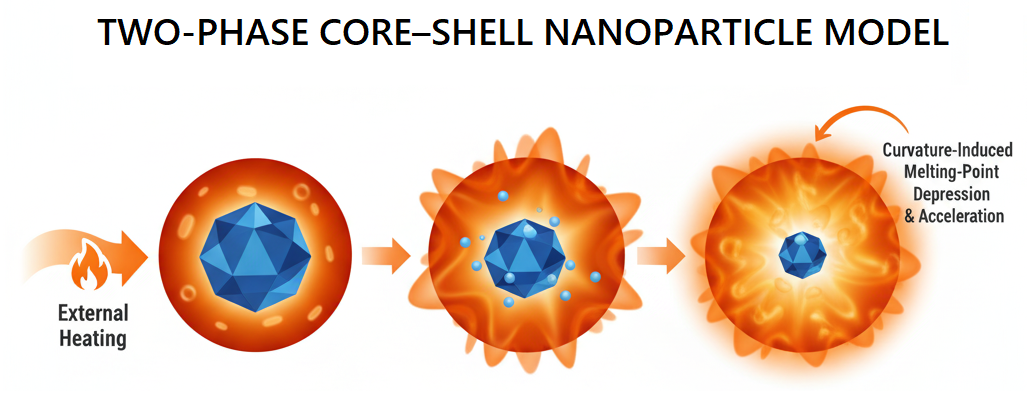
A two-phase core-shell model for nanoparticle melting is proposed, in which a solid core is sur- rounded by a quasi-liquid shell. The model provides self-consistent analytical expressions for the size-depen- dent melting temperature and effective surface tension, along with kinetic equations describing the temporal evolution of the shrinking solid core under external heating. The analysis identifies distinct melting regimes, including a pronounced acceleration in the final stage caused by curvature-induced melting-point depression. Numerical estimates for silver and copper nanoparticles demonstrate that size effects can significantly reduce melting time. The results offer simple and physically transparent relations that clarify nanoscale melting behav- ior, provide an intuitive interpretation of the Tolman length, and explain the overheating observed in molecular dynamics simulations.
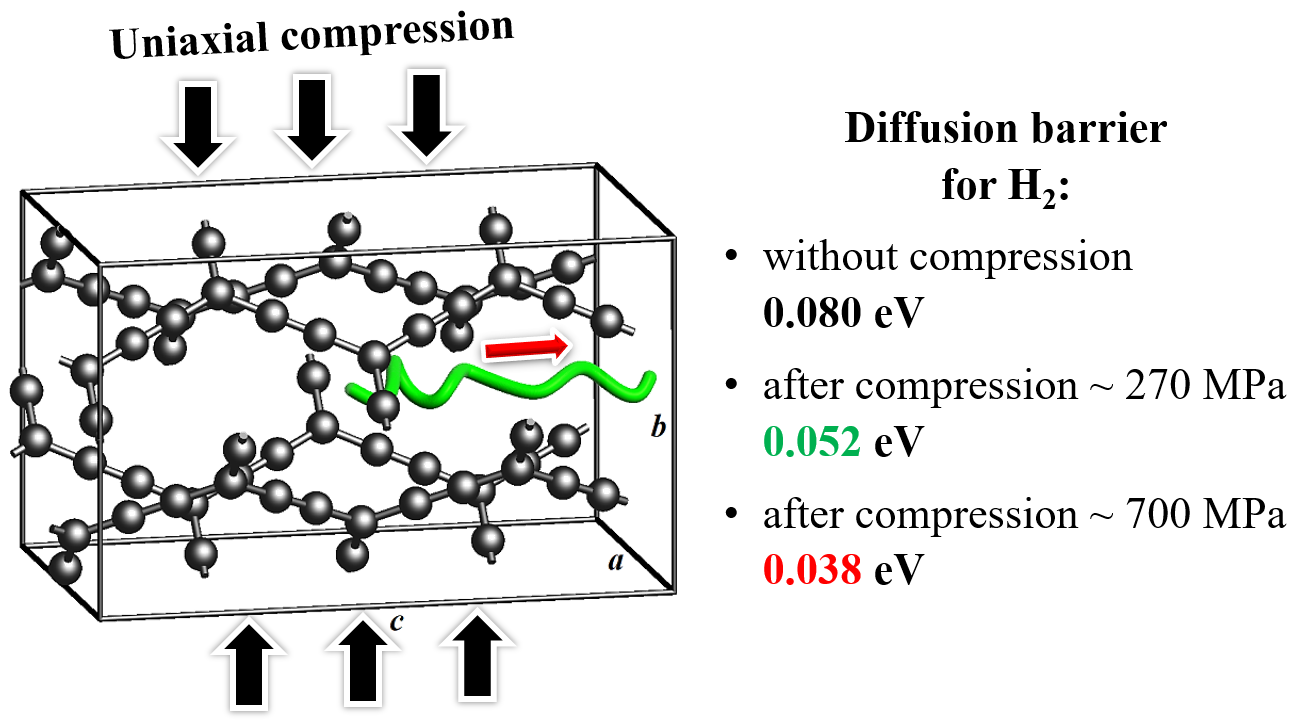
We performed a study of the structure and properties of hybrid carbon compounds based on graphyne layers with a self-intercalated type of crystal lattice using ab initio calculations. It is found that only compounds based on α-graphyne-1 and β1-graphyne-2 can have an ordered crystal structure. Calculations have shown that the most stable α-type phase is tetragonal (I/4mcm) self-intercalated α-graphyne-1 with a density of 1.28 g/cm3, a bulk modulus of 31 GPa, a Young’s modulus from 3 to 107 GPa, which is characterized by a minimum negative linear compressibility of −11.7 TPa−1 along the [001] axis. This makes it a promising material for use in pressure sensors. Additionally, the I/4mcm phase can be used as a selective filter for hydrogen molecules, the permeability of which can be increased by uniaxial compression or stretching per- pendicular to [001]. The studied nanostructured phases can be unambiguously identified from the calculated powder X-ray diffraction patterns.
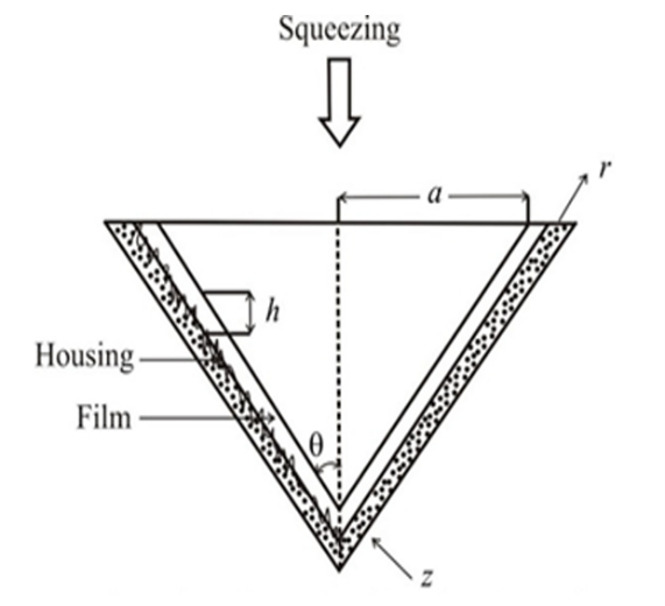
This study examines the effects of viscosity variation and velocity slip on the performance of porous conical bearings lubricated with a couple stress fluid. Darcy’s law is used to describe fluid flow through the porous medium, while Stokes’ couple stress theory accounts for the microstructure of the lubricant. A modified Reynolds equation is developed by incorporating viscosity variation and slip effects. Numerical results illus- trate the influence of couple stress, slip velocity, permeability, and viscosity variation on pressure distribution, load-carrying capacity, and squeeze film time. It is observed that an increase in the couple stress parameter enhances the pressure and load capacity, while higher permeability tends to reduce the supporting ability of the bearing. The presence of slip at the boundary modifies the flow behaviour and contributes to improved lubrica- tion characteristics. The combined effects of porous structure and slip lead to better aggregate performance, and the use of couple stress fluids significantly improves lubrication efficiency and operational reliability.
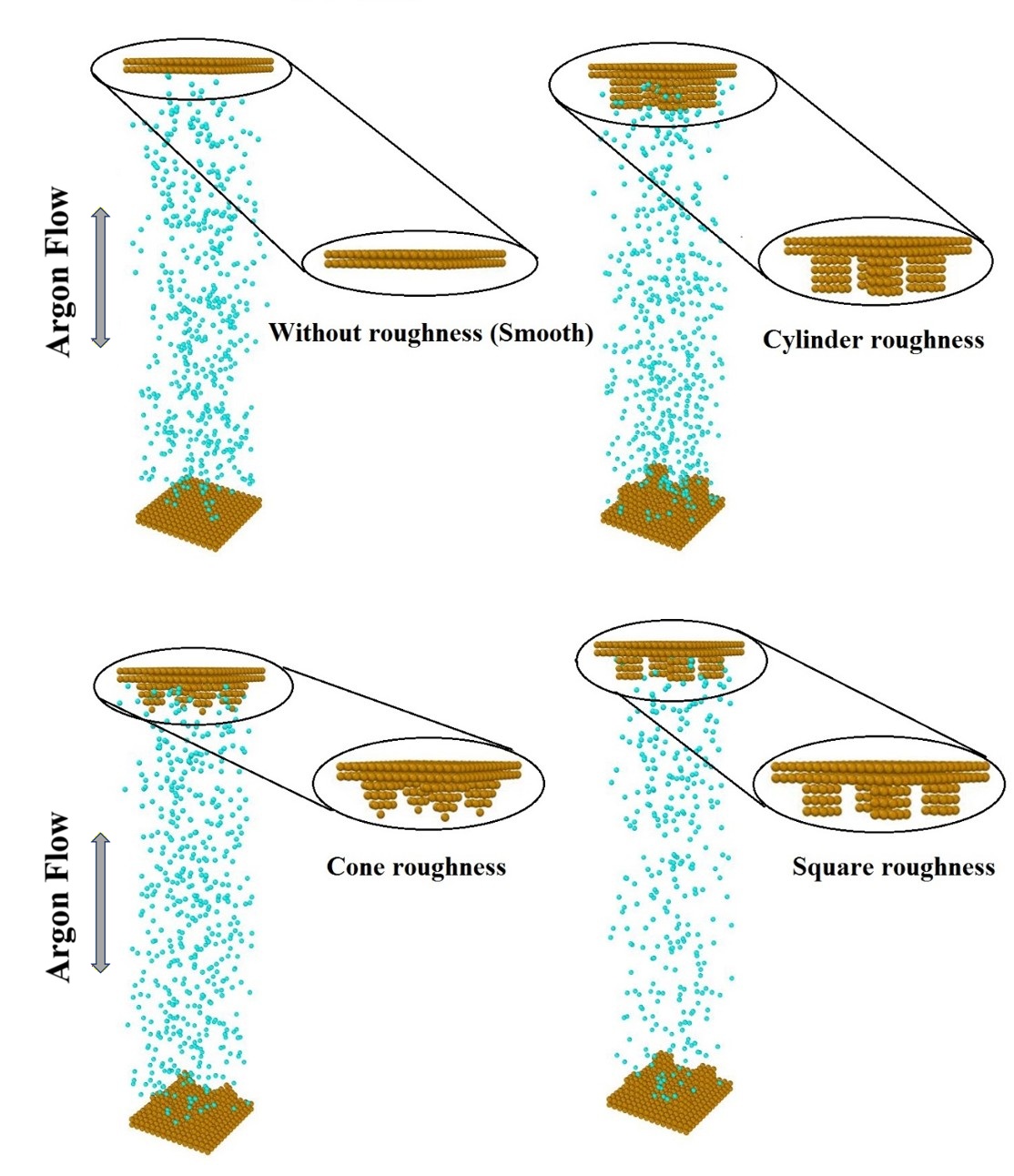
Nanochannels have surface roughness due to their non-ideal surfaces. These roughnesses on the surface of nanochannels have an important effect on the flow behavior of argon atoms. This study examined the argon flow in nanochannels under various roughness geometries via molecular dynamics simulation. Also, the researchers investigated the adsorption rate, density, and diffusion of argon atoms under different temperatures and height roughness in nanochannels. The results showed that nanochannels with cylindrical roughness exhibit higher levels of interaction energy (adsorption) (−149 kcal/mol) and density (144 g/cm3) compared to nanochannels with square and conical roughness. Furthermore, as the height roughness of the nanochannels is increased (11 to 20 A˚ ), the amount of adsorption (interaction energy) and density rise as well. By comparing the MSD (mean square displacement) diagram of nanochannels, the nanochannels with the highest diffusion of argon atoms have cone roughness in contrast to square and cylinder nanochannel roughness.
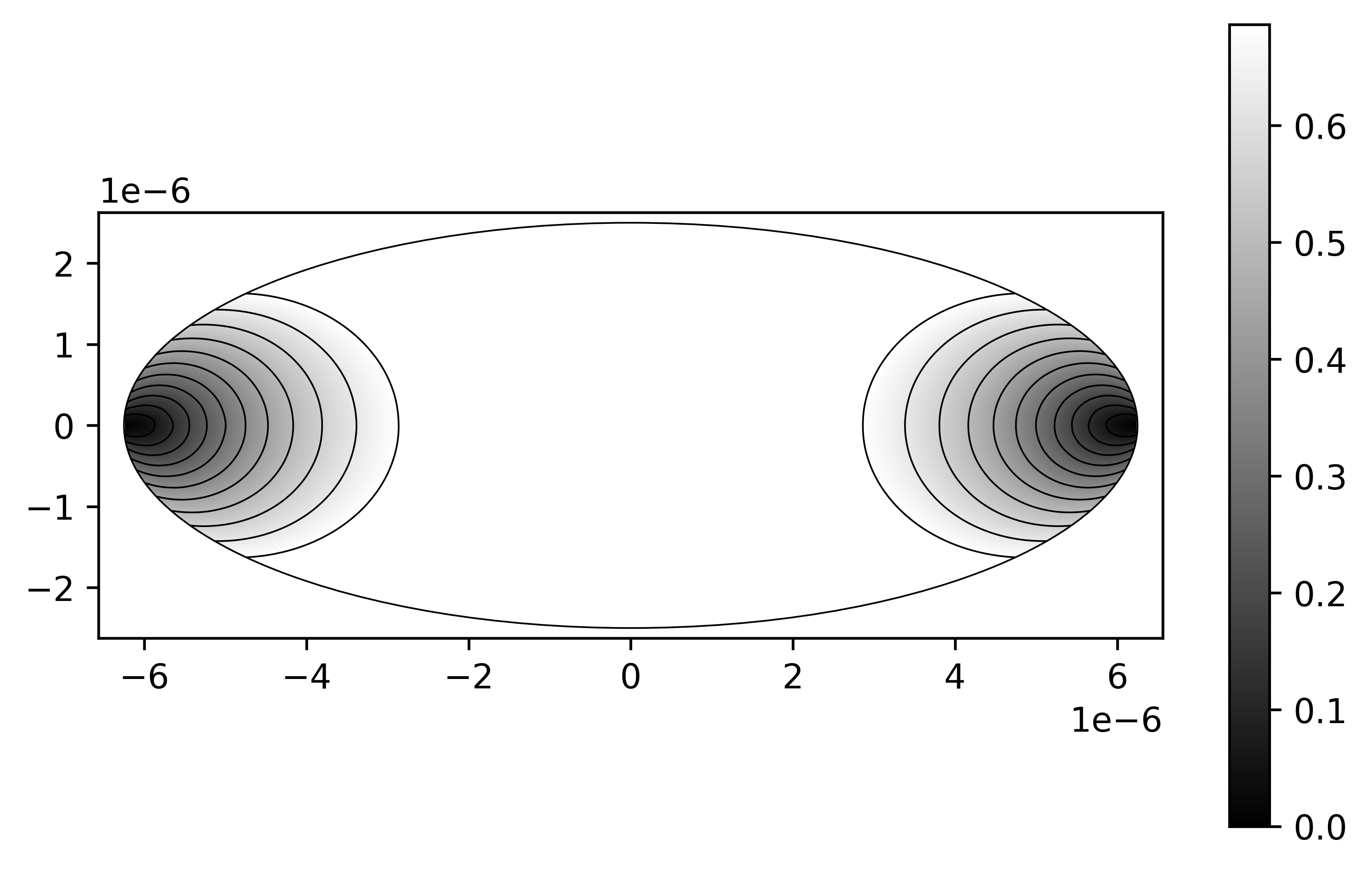
The validity of directly reducing the three-dimensional Fournier-Galatola model of planar anchor- ing to two-dimensional nematic systems is investigated analytically and numerically. An alternative two- dimensional formulation based on a direct target surface Q-tensor is introduced for comparison. Analytical calculations reveal that the reduced Fournier-Galatola functional yields a cubic restoring torque at the poles of an elliptical droplet, whereas the direct tensor formulation preserves a linear response along the entire boundary. The influence of this difference on orientational relaxation is studied using the Landau-de Gennes simulations of mesoscale elliptical 5CB droplets. The reduced Fournier–Galatola model is shown to enhance boojum mobility, alter the final bipolar orientation at moderate aspect ratios, and systematically predict lower equilibrium energies. The results indicate that direct projection-based reduction can lead to qualitatively differ- ent relaxation scenarios in two-dimensional nematic models.
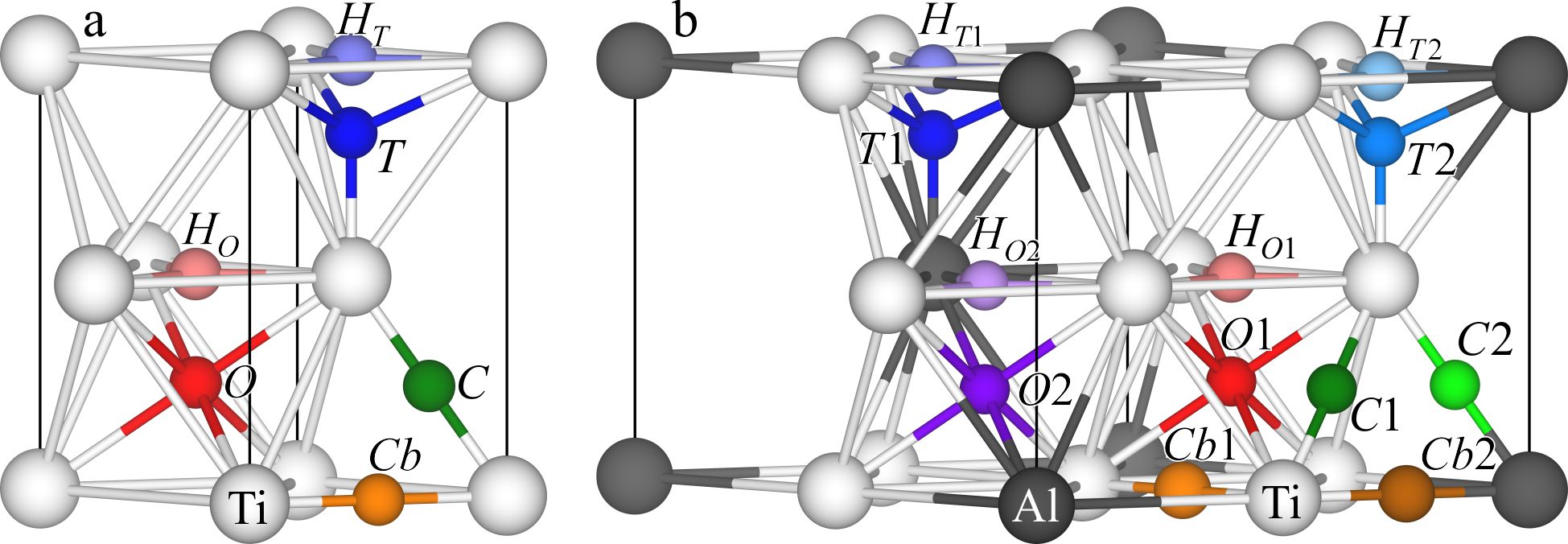
The interstitial defect formation energies of carbon in various interstices, crystal orbital Hamilton populations, electron localization function, Voronoi volumes, and other characteristics in α-Ti and α2-Ti3Al were calculated by the projector augmented wave method. The climbing image nudged elastic band method was used to estimate migration barriers along paths between stable interstitials. The temperature-dependent diffusion coefficients of carbon were evaluated along two nonequivalent crystallographic directions (a and c) in α-Ti and, for the first time, in α2-Ti3Al. The energetically preferred site in both α-Ti and α2-Ti3Al is an octahedral one, whose local environment contains only Ti atoms. This preference depends on material and is primarily due to low mechanical contribution to the defect formation energy in α-Ti and chemical one in the case of the alloy. The presence of Al leads to an increase in the defect formation energy in the alloy. In the case of α-Ti, the obtained diffusion coefficients are in good agreement with experiment. Aluminum in the alloy leads to a slowdown in carbon diffusion due to higher both defect formation and migration energies.
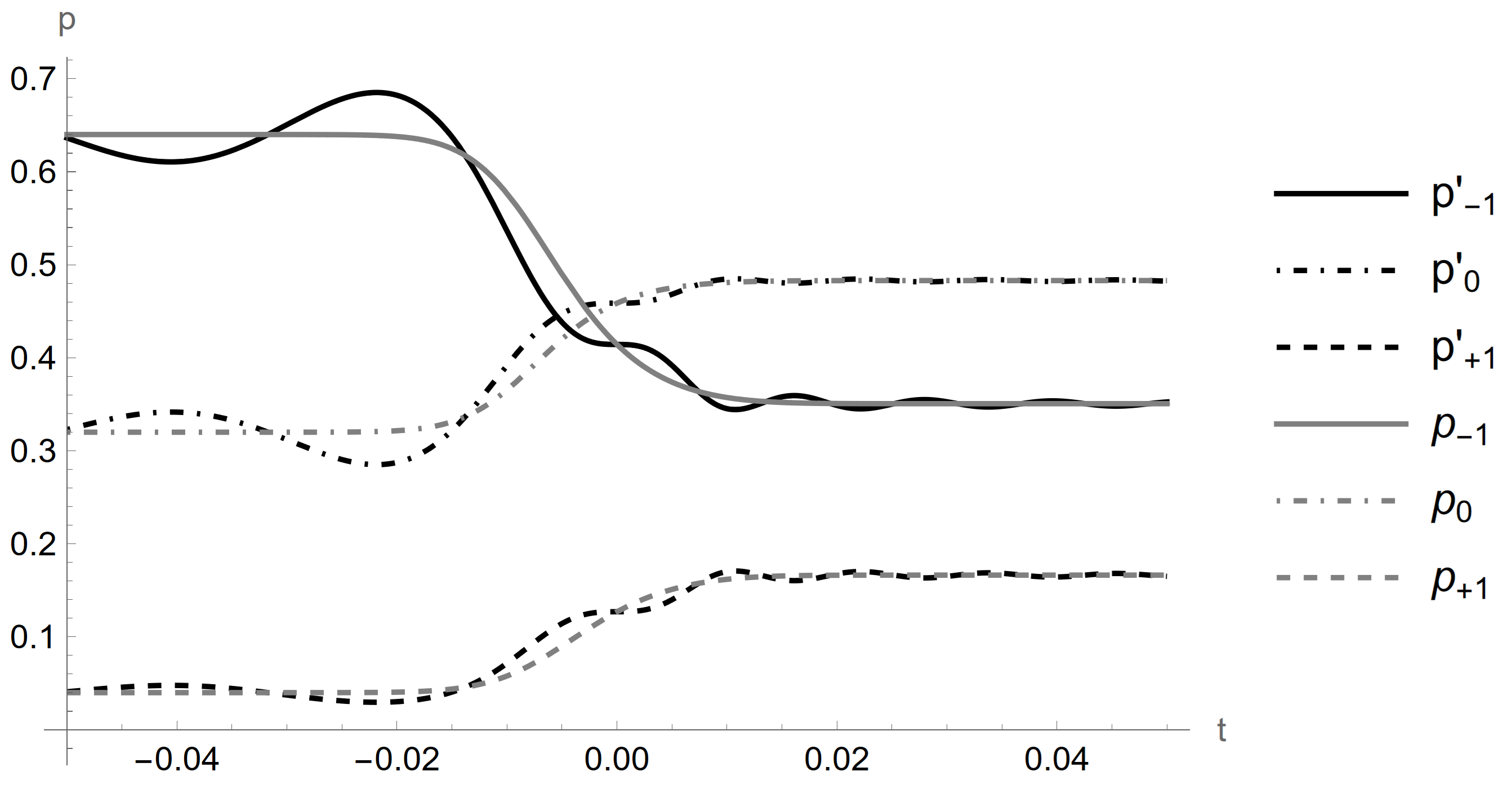
This work examines a non-stationary phase-modulation process characterized by a time-dependent interaction coefficient, confined to the non-degenerate case. We derive an exact non-adiabatic solution to the time-dependent Schro¨ dinger equation. We then establish the criterion under which adiabatic considerations become valid-specifically, the condition permitting a stationary-state solution to approximate the non-stationary problem. Our results hold for an arbitrary number of interacting modes and an arbitrary photon number.
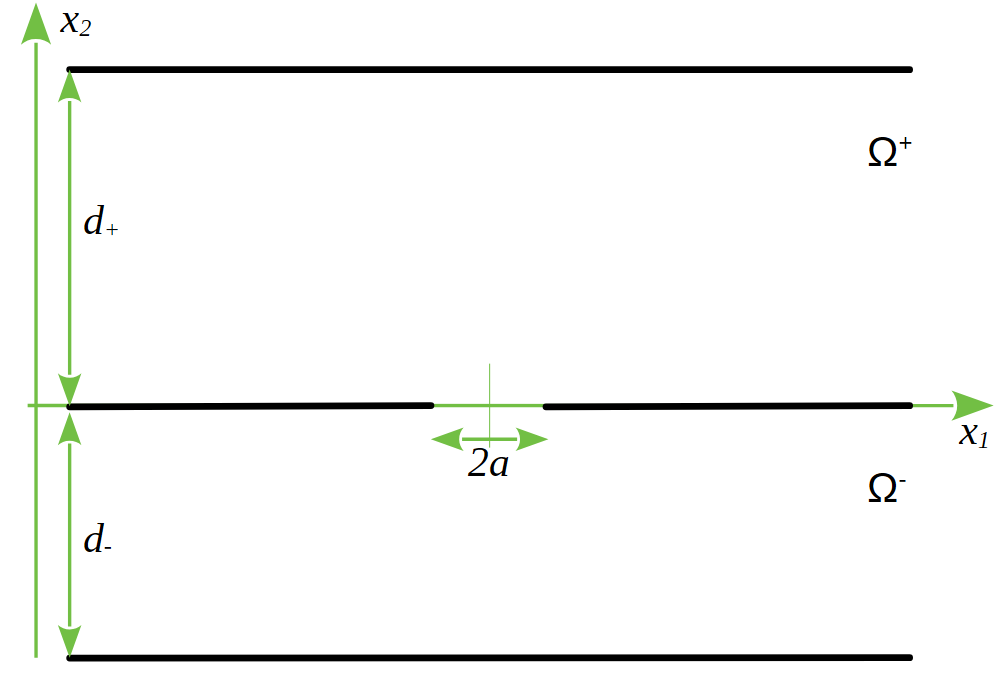
Electron in a system of two plane quantum waveguides coupled through small window is considered. The method of matching the asymptotic expansions of the boundary problem solution is used. The dependence of entropy on the window width is described. for the case of small window in the framework of the asymptotic approach.
CHEMISTRY AND MATERIALS SCIENCE
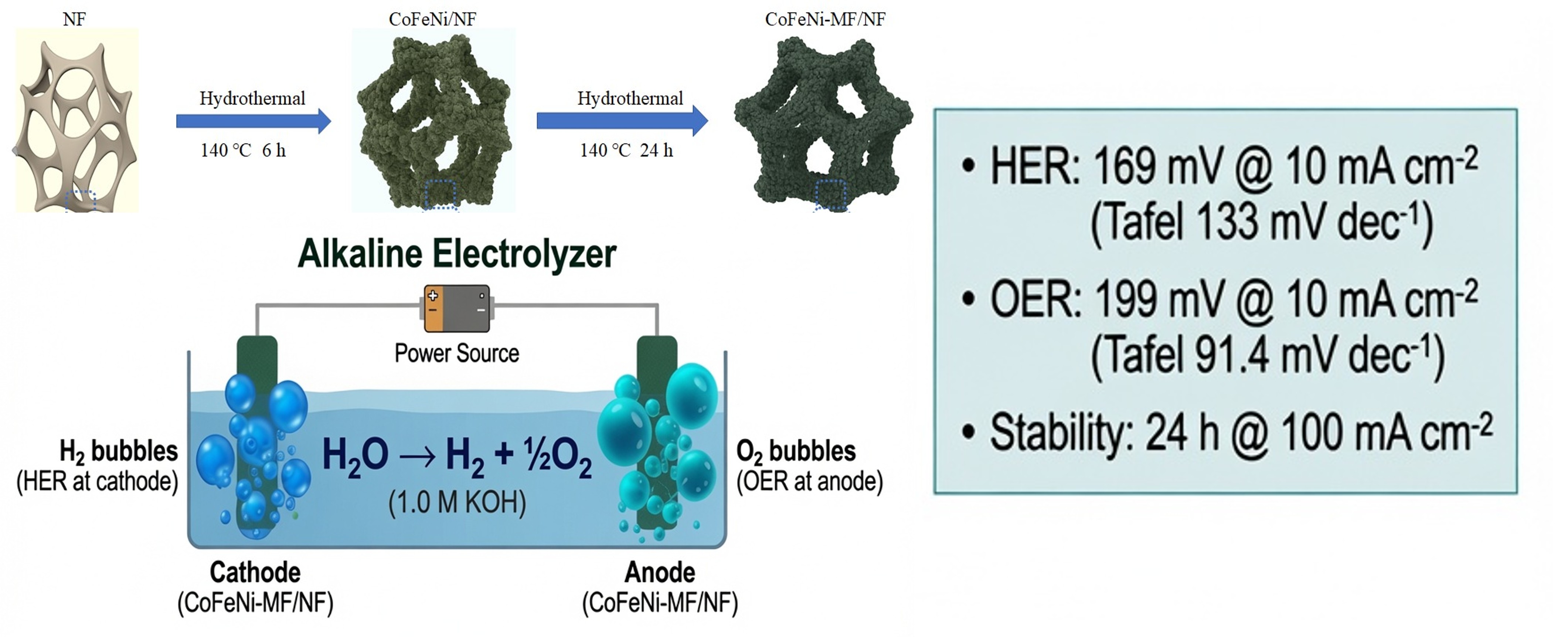
Developing efficient bifunctional electrocatalysts is vital for scalable hydrogen production via overall water splitting. Here, a magnetic-fluid-assisted CoFeNi–MF/NF catalyst was synthesized through a two-step hydrothermal process by integrating Fe3O4-based magnetic fluid into vertically aligned CoFeNi nanosheets on nickel foam. Structural analyses confirmed the formation of an FCC CoFeNi alloy coupled with spinel Fe3O4, creating an interconnected architecture with abundant active sites. Magnetic-fluid incorporation enhanced charge transfer, oxygen content, and electron/spin polarization, enabling faster catalytic kinetics. In 1.0 M KOH, CoFeNi–MF/NF delivered low overpotentials of 169 mV for HER and 199 mV for OER at 10 mA·cm−2, along with Tafel slopes of 133.09 and 91.41 mV·dec−1. The catalyst also showed low charge-transfer resistance and enlarged electrochemically active surface area. Durable operation at 100 mA·cm−2 for 24 h further confirmed its stability. This work presents a promising strategy for designing magnetic-responsive, non-noblemetal electrocatalysts for alkaline water splitting.
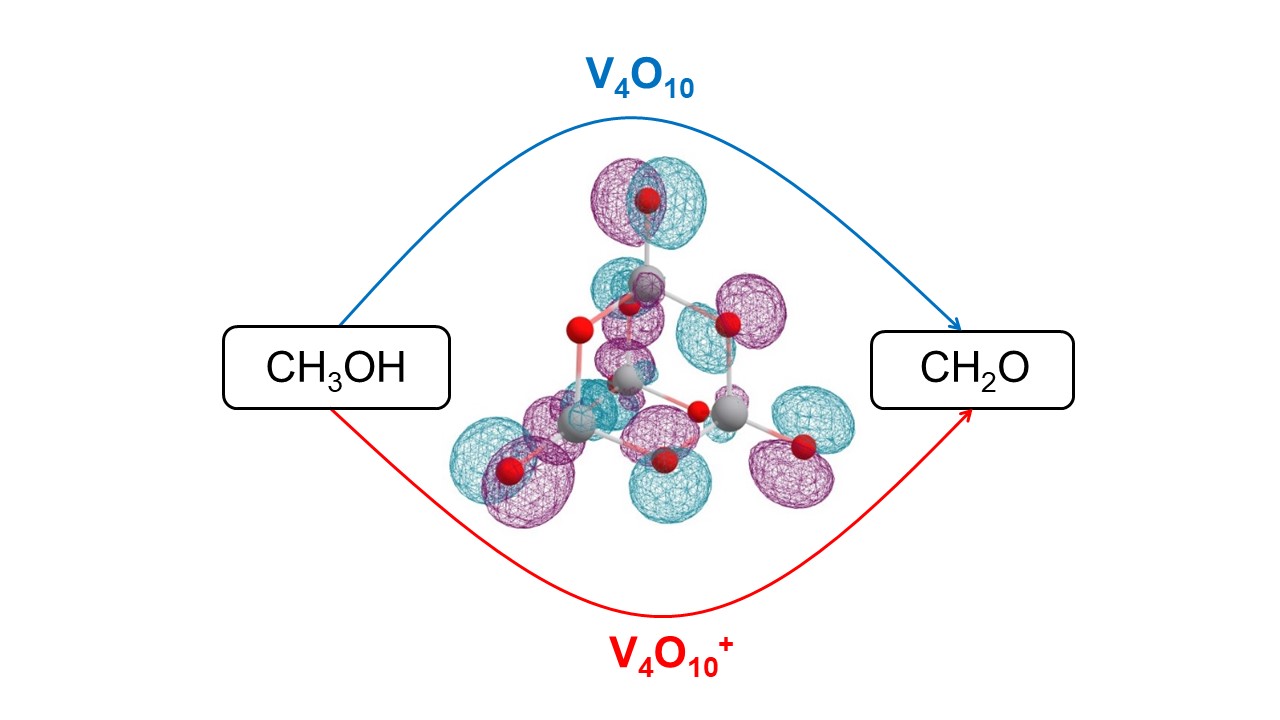
To reveal the catalytic activity of neutral vanadium oxide nanoclusters in methanol (CH3OH) oxidation, quantum chemical simulation of methanol adsorption on V4O10 cluster and further oxidation to formaldehyde (CH2O) is performed at DFT PBE level. According to calculation, the cluster has a tetrahedral cage structure with four terminal V=O(t) and six bridging V–O(b)–V fragments. The reaction of methanol and V4O10 occurs through association and two abstraction stages sequentially. The role of the two oxygens O(t) and O(b) in these processes is shown to be different. Analysis of atomic charges and electron density in V4O10 allowed to explain the observed patterns and predict the reduction of the activation barrier of rate-determining step of (CH2O)V4O10H2 formation when the V4O10 has positive charge or titanium is introduced into the cluster’s structure.
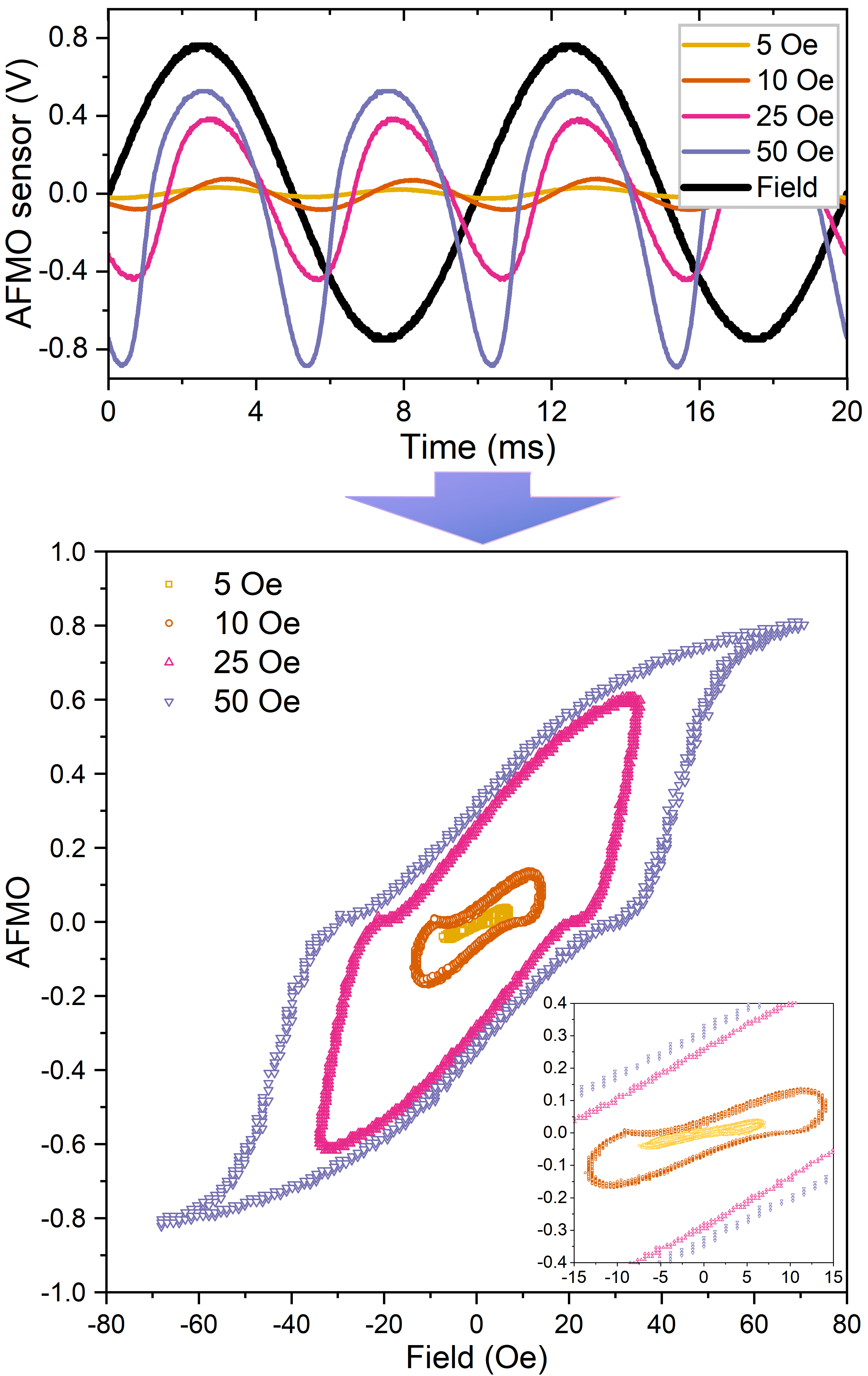
Here we provide an analysis of alternating field magneto-optical (AFMO) response for concentrated dispersions of hard magnetic nanoplates. Dynamics of hexaferrite 50×5 nm nanoplates in 0.3–30 g/L magnetic fluids was traced with amplitude and phase shift of transmission AFMO response in the frequency range of 1 Hz – 10 kHz and magnetic fields up to 50 Oe. AFMO signal was used for reconstructing fast magnetization susceptibility dependence on the applied field depending on concentration of nanoplates. The two modes of platelets reorientation were revealed with AC field frequency and amplitude variation. High-frequency mode, characterized by magnetization phase lag, increasing with the excitation field frequency, corresponds to incomplete orientation of platelets after the field. Contrary, the low-frequency mode with magnetization phase lag, increasing reciprocally to the excitation field frequency, reveals AC coercivity of ferrofluid. The last is addressed to the self-stabilization of particles orientations by magnetic momenta of constituent particles.

ISSN 2305-7971 (Online)