MATHEMATICS
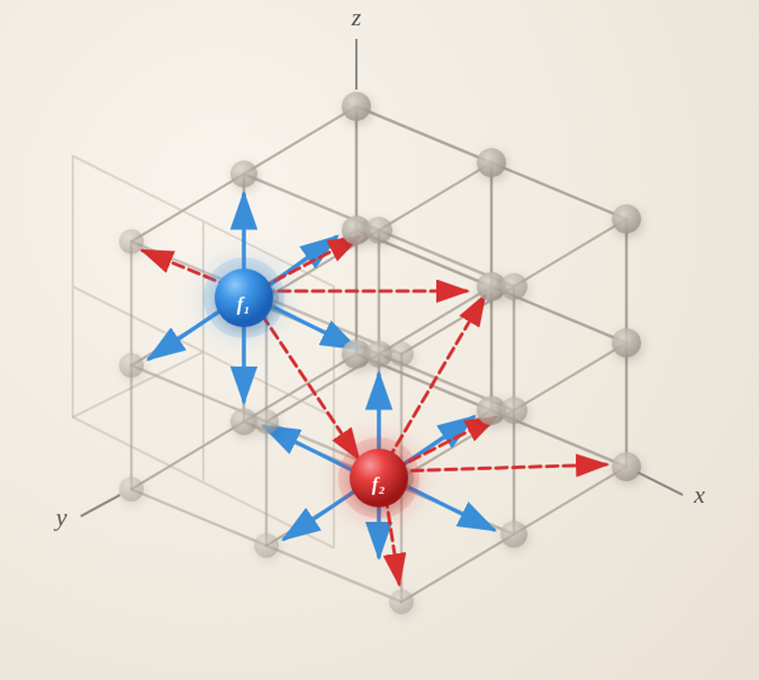
We study the Schrödinger operators Hλµ(K) that model a two-fermion system on the threedimensional lattice Z3, where total quasimomentum is fixed at K ∈ T3, and the particles interact through nearest- and next-nearest-neighbor couplings with strengths λ, µ ∈ R. For K = 0, we establish that Hλµ(0) admits reducing invariant subspace whose restriction depends solely on the parameter µ ∈ R. This µ parameter line contains two critical points corresponding to the lower and upper spectral thresholds; at each of these points, the Fredholm determinant of the restricted operator vanishes. Each of these critical points divides the parameter line into two infinite intervals, where the number of eigenvalues lying below (or above) the essential spectrum remains constant. Depending on µ, the corresponding reduced operator has exactly one discrete eigenvalue, located either below the bottom or above the top of the essential spectrum. Moreover, we derive a lower bound on the number of discrete eigenvalues of Hλµ(K) for all K ∈ T3.
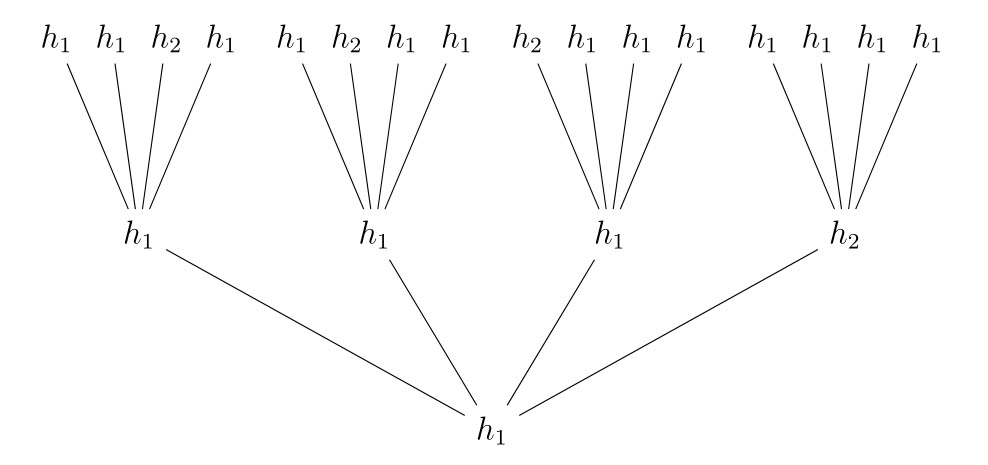
In this paper, we investigate weakly periodic p-adic quasi Gibbs measures for the q-state Potts model on the Cayley tree of order k. Furthermore, we demonstrate that for all q ≥ 3 and k ≥ 2, there exist a prime number p and a parameter θ that guarantee the occurrence of a phase transition.
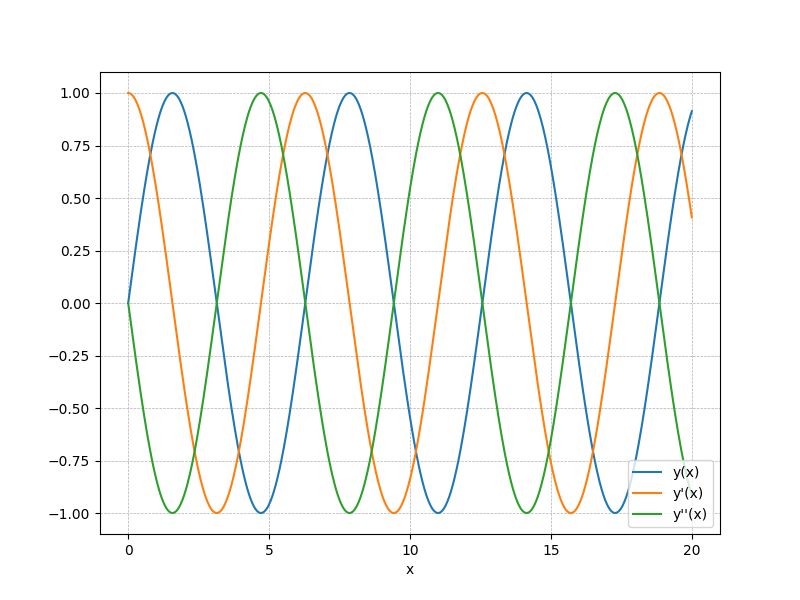
The oscillatory behaviour of all solutions to the second-order delay differential equation with several deviating arguments and non negative coefficients is studied. Some sufficient oscillation conditions are obtained. An example is also given to illustrate the significance of our main results.
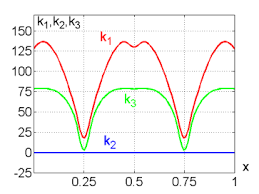
In this article, the Cauchy problem in a half-plane is studied for a fourth-order inhomogeneous equation with a fractional derivative in the Caputo sense. The uniqueness of the solution is demonstrated using the Laplace transform. In constructing the solution, partial solutions expressed in terms of Wright functions are first found. Green’s functions are then constructed using these partial solutions. The solution is constructed explicitly using the Green function. An explicit form of the fundamental solution is also obtained.
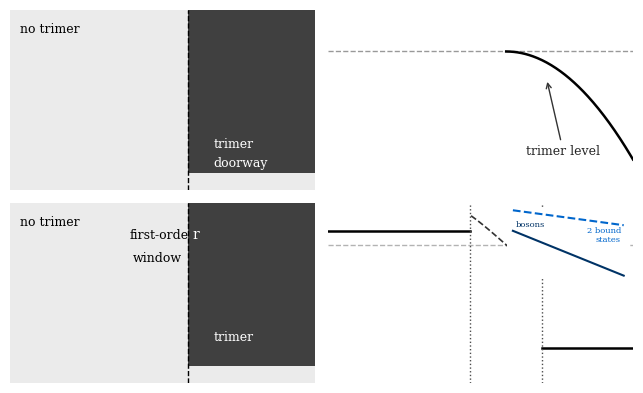
We study three-particle Schrödinger operators on the two-dimensional lattice Z2 and show that a critical mass ratio γc ≈ 2.75194 governs the existence of a bound trimer in the fermionic 2 + 1 configuration (two identical fermions and a third particle). For γ < γc there is a topological prohibition (Pauli suppression) of a three-body bound state, whereas for γ > γc a doubly degenerate eigenvalue emerges below the essential spectrum with the strong-coupling asymptotics z(γ, λ) = −λ+e0(γ)+O(λ−1). Within a unified framework based on the Birman–Schwinger principle and strong-coupling asymptotic analysis, we compare this behaviour with the bosonic case of three identical particles, where two bound states exist below the essential spectrum and the ground-state energy satisfies z1s(µ) = −3µ + C2 + O(µ−1). The resulting second-order phase transition with respect to the mass ratio γ is relevant for the design of experiments on fermionic trimers in optical lattices and for modelling excitonic complexes and defect-bound states in two-dimensional nanomaterials, where the critical value γc serves as a design guideline for the observability of three-body bound states. We also outline a modified three-particle lattice model with two competing interaction channels, for which the Birman–Schwinger analysis naturally leads to a Landau-type scenario of a first-order phase transition in the space of trimer bound states. In the bosonic case we prove a strong-coupling theorem describing the existence and asymptotics of trimer bound states, while in the fermionic 2+1 case we establish a spectral phase-transition theorem that identifies an explicit critical mass ratio γc separating the trimer and non-trimer regimes.
PHYSICS
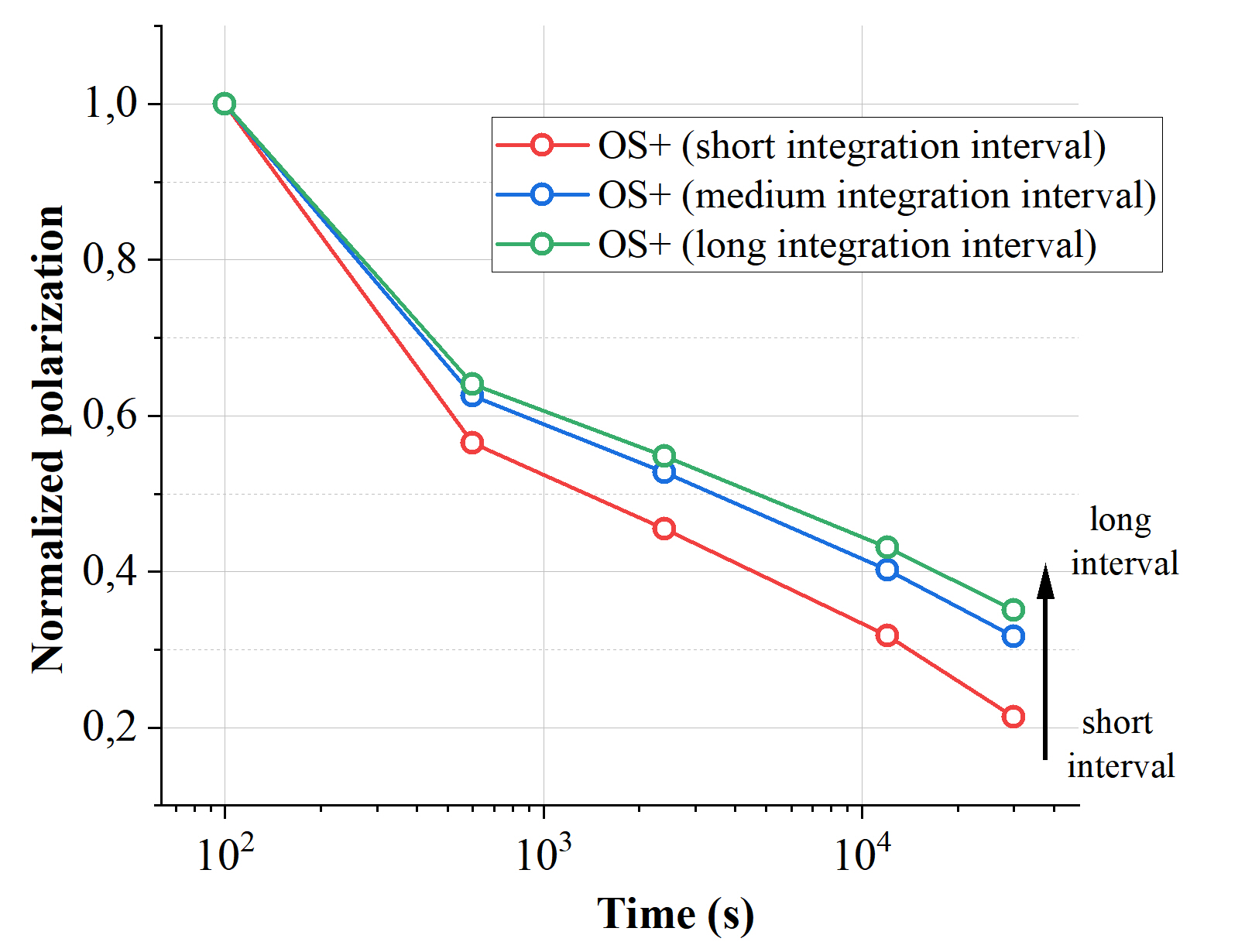
The article shows the possibility of increasing the storage time of the opposite state (OS) at a temperature of 145 °C from 140 to 500 minutes in ferroelectric capacitors based on Hf0.5Zr0.5O2 (HZO) by shift of current integration endpoint to right. Consideration of transient processes between measurement pulses after 500 minutes capacitors baking at 145 °C can enhance the OS retention from 21 to 35 % of the preheating state. Opposite trend detected for the same sate (SS) (decrease from 56 to 35 %) and new same state (NSS) (decrease from 63 to 45 %). It is also shown that the presence of a voltage shift caused by an imprint in some cases may not lead to a loss of polarization due to the current flowing during the flat part of the trapezoidal voltage pulse.
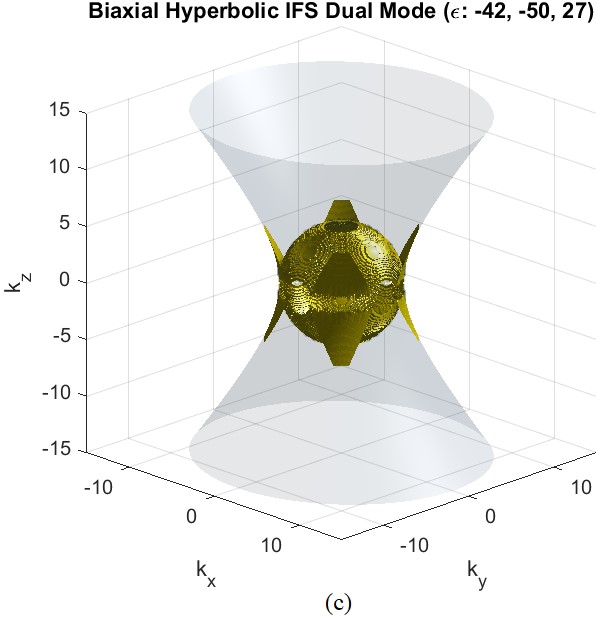
This study presents the design and theoretical analysis of a tunable biaxial hyperbolic metamaterial (BHMM) constructed from a layered n-GaAs/AlGaAs heterostructure under an external magnetic field. The objective is to optimize the tunability in order to control the dispersion shape for applications in the terahertz (THz) frequency regime. The effective medium approximation (EMA) model is employed and demonstrates the coexistence of two wave modes, namely, a closed ellipsoidal and an open hyperboloidal isofrequency surface. The results reveal that the external magnetic field acts as a powerful tuning mechanism, enabling spectral shifting of the dispersion and active switching between Type-I and Type-II hyperbolic regimes. In addition, the conditions required to achieve extreme compression of the isofrequency surface (IFS), which is essential for beam steering control, are analyzed. This compression occurs when one component of the permittivity reaches extremely large values, leading to the formation of near-flat segments on the isofrequency surface.
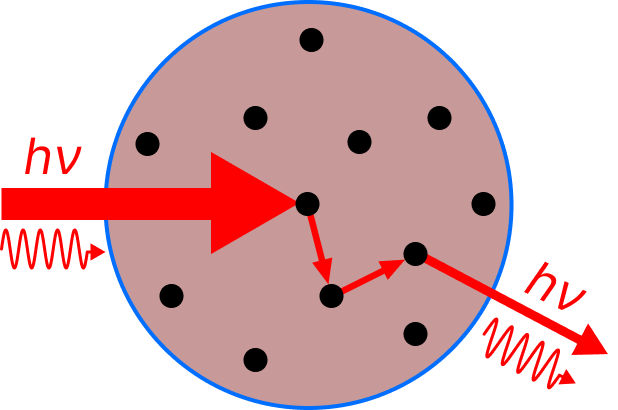
The work considers the application of laser correlation spectroscopy to the investigation of dispersed systems for such a case, which can be regarded as a transitional to the multiple scattering regime. It is shown that even a slight violation of the condition of single scattering by the increasing of concentration of scattering centers can affect the result of particle size measurements. It should be taken into account when studying colloids.
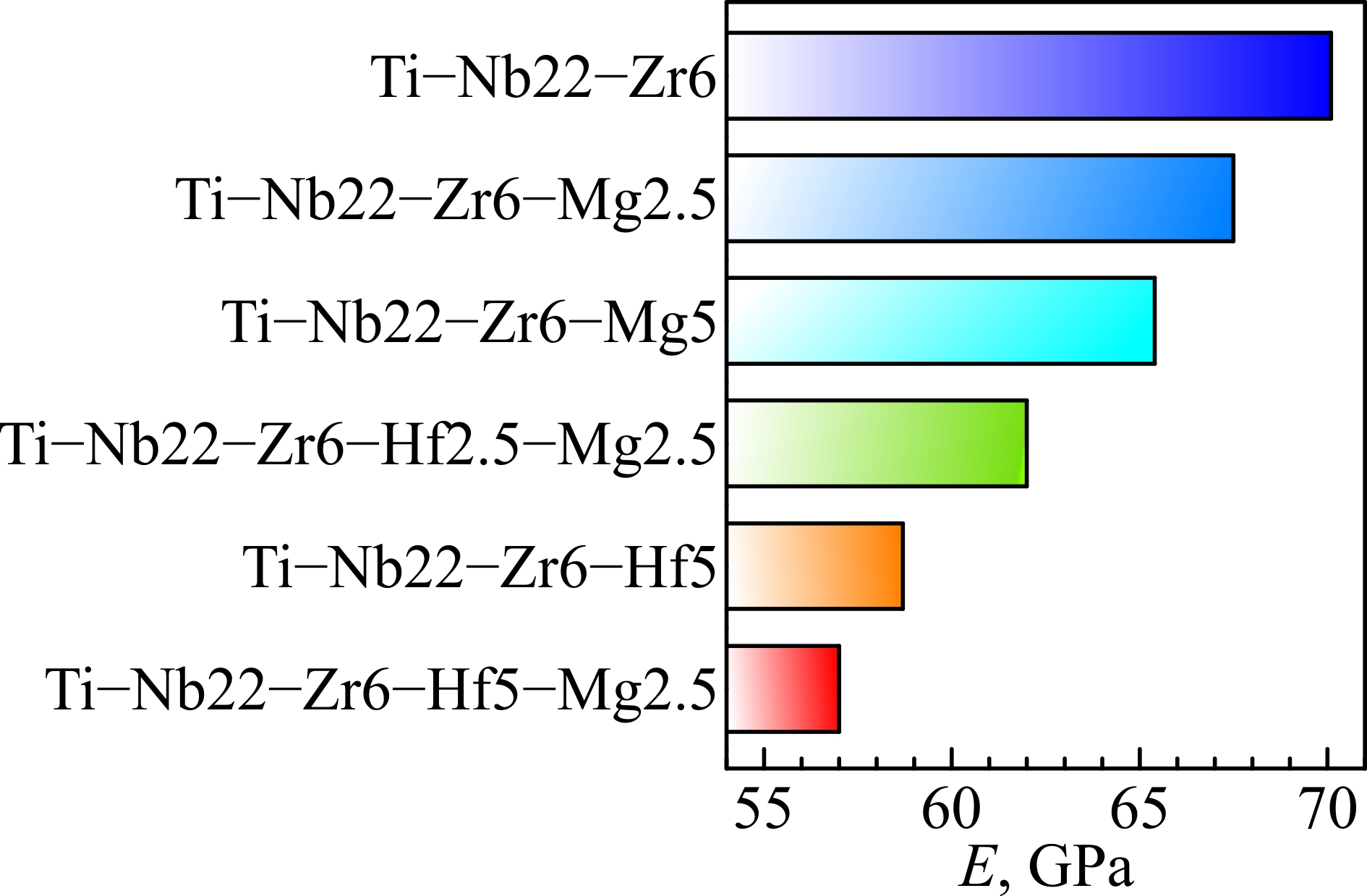
The elastic properties and mechanical characteristics of Ti–Nb22–Zr6 based alloys were calculated using the exact muffin-tin orbital method with the coherent potential approximation. Alloying by metals such as Hf, Mg and their combination were considered, and their concentration did not exceed 5 at.%. It was shown that addition of Hf and Mg leads to a decrease in Young’s modulus due to both size effect and electronic factor. The calculated Young’s modulus for the ternary Ti–Nb22–Zr6 alloy (70.1 GPa) is found in good agreement with experimental one (70 GPa). The smallest value of Young’s modulus was calculated for the Ti–Nb22–Zr6–Hf5–Mg2.5 alloy, achieving 57 GPa. Further increase in Mg concentration leads to a negative C′ and alloy destabilization. Additionally, alloying of the Ti–Nb22–Zr6 alloy results in a decrease in hardness, fracture toughness, but brittleness index is increased.
CHEMISTRY AND MATERIALS SCIENCE
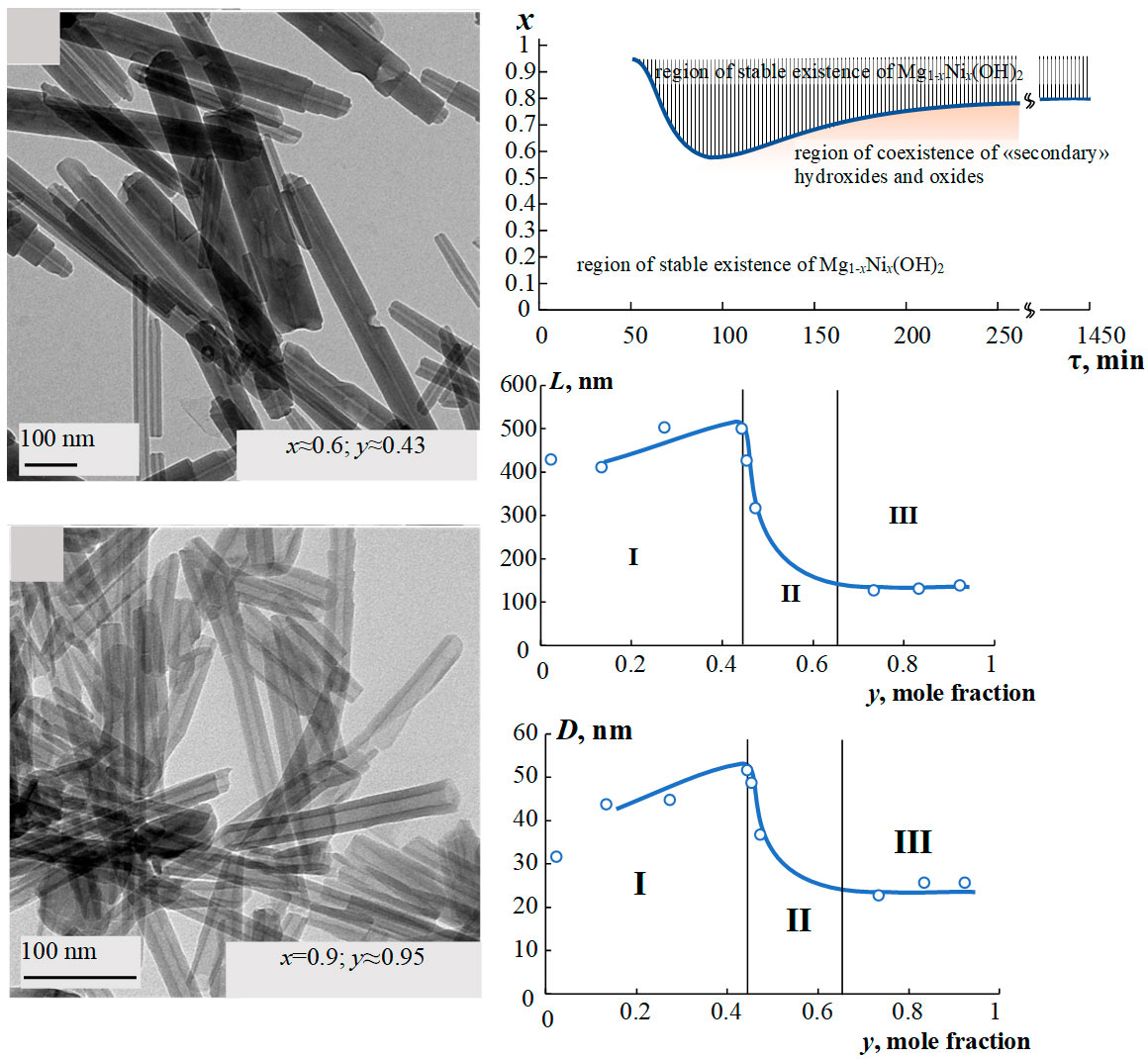
A thermodynamic analysis of hydroxide transformations in the Mg1−xNix(OH)2 – SiO2 – H2O system during the hydrothermal synthesis of nanotubular particles with a chrysotile structure has revealed the decisive role of the dehydration of initial reagents and the subsequent re-formation of hydroxides during hydrothermal treatment of reagents on the composition and morphological parameters of the target product. Depending on the composition of the hydroxide reagent and the T–P conditions in the reaction zone, three regions have been identified where the formation mechanism of nanotubular particles with a chrysotile structure changes dramatically. This is the direct cause of the non-monotonic dependence of the Mg/Ni ratio and the dimensional parameters of the (Mg1−xNix)3Si2O5(OH)4 nanotubes on the Mg/Ni ratio in the initial hydroxide.
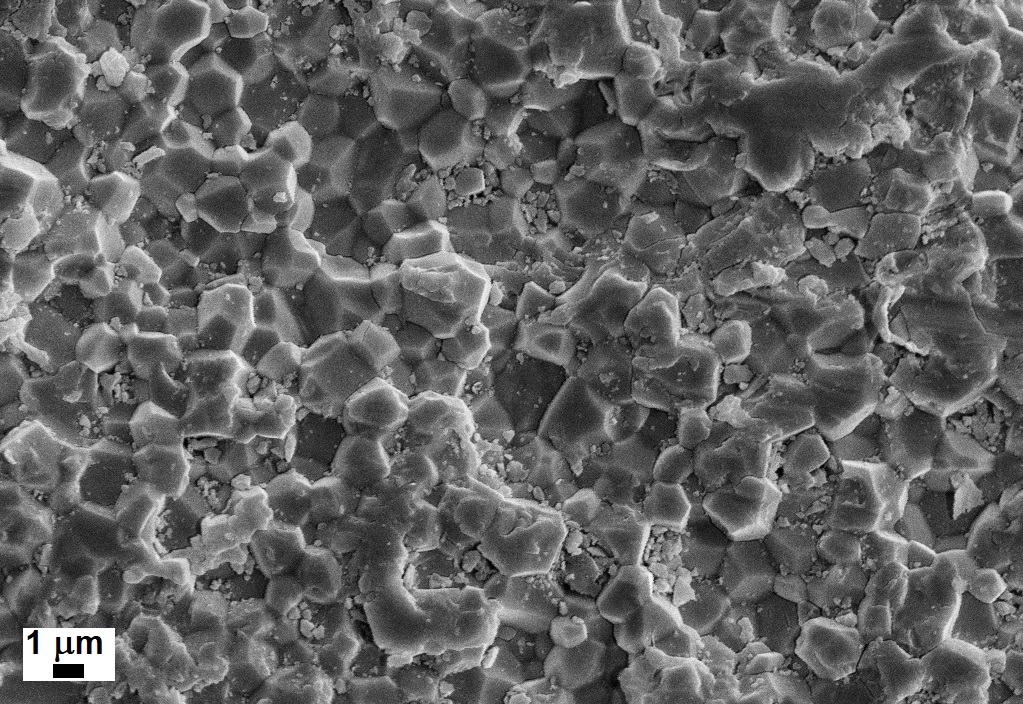
The paper presents the first comparative study of the microstructure and mechanical properties of gadolinium zirconate ceramics produced by spark plasma sintering of powders obtained using hydroxide precursors synthesized with and without mechanical activation. The initial precursor was prepared via reverse coprecipitation of hydroxides. Mechanical activation of the precursor was performed in an AGO-2 planetary mill at a centrifugal acceleration of 20 g for 30 min. X-ray phase analysis revealed that the resulting ceramics were nanocrystalline. The ceramics produced from the mechanically activated precursor demonstrated superior mechanical properties, including higher microhardness and Young’s modulus, compared to those produced from the non-activated precursor.
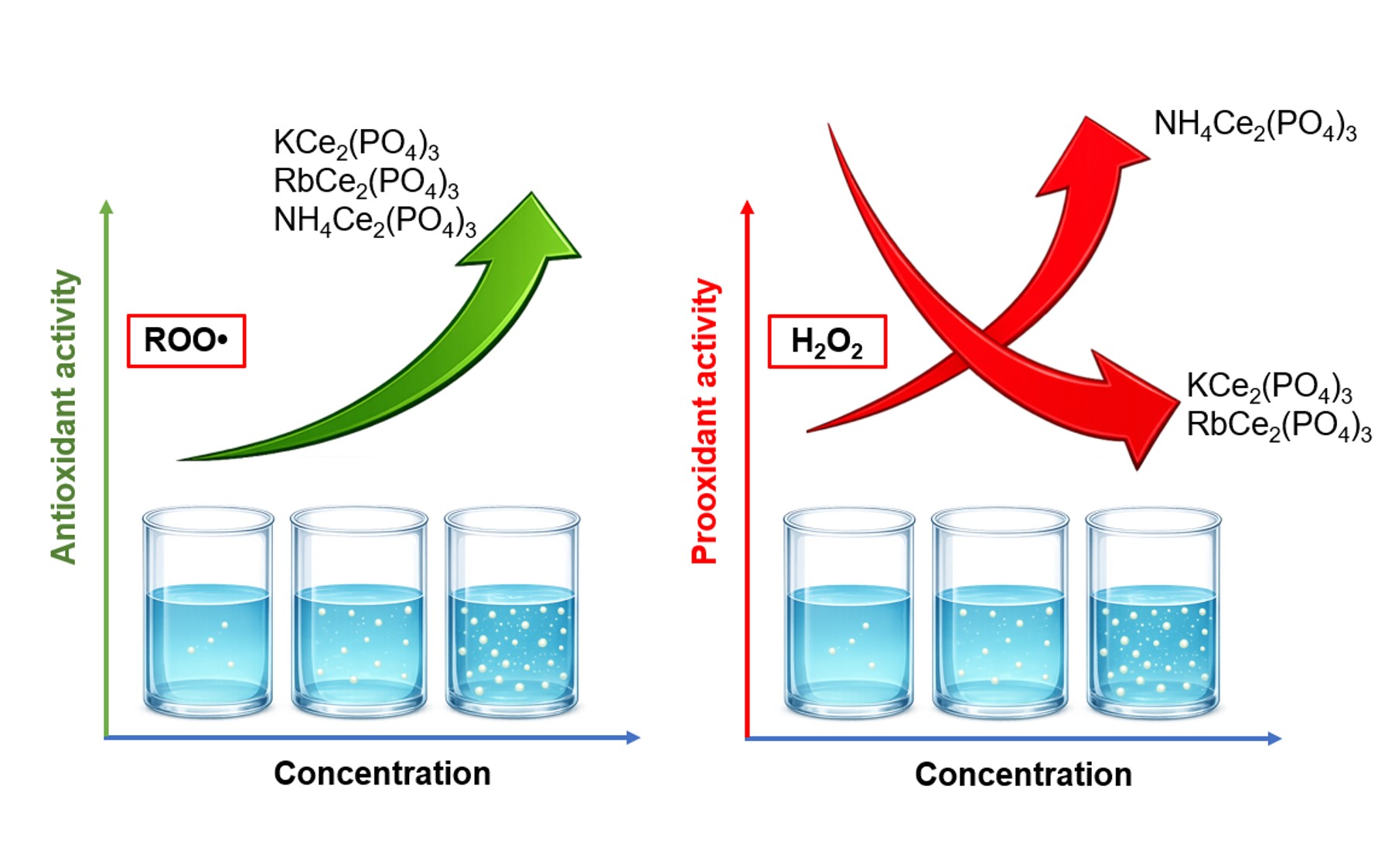
A comparative study of the redox behaviour of nanocrystalline isostructural ACe2(PO4)3 (A = NH+4, K+, Rb+) double ceric phosphates was performed. It has been established that with respect to alkylperoxyl radicals or hydrogen peroxide as reactive oxygen species, all the double ceric phosphates acted as antioxidants or prooxidants, respectively. The antioxidant activity towards alkylperoxyl radicals was found to be the higher for the phosphates containing potassium or rubidium. Notably, for KCe2(PO4)3 and RbCe2(PO4)3 an inverse dependence of catalytic activity on concentration in the reaction with H2O2 was found, in contrast to NH4Ce2(PO4)3. The redox behaviour of nanoscale cerium dioxide used for comparison was similar to that of ammonium ceric phosphate, but significantly lower in absolute values. This was explained by the suppressive effect of phosphate anions presented in the buffer solutions.

ISSN 2305-7971 (Online)