MATHEMATICS
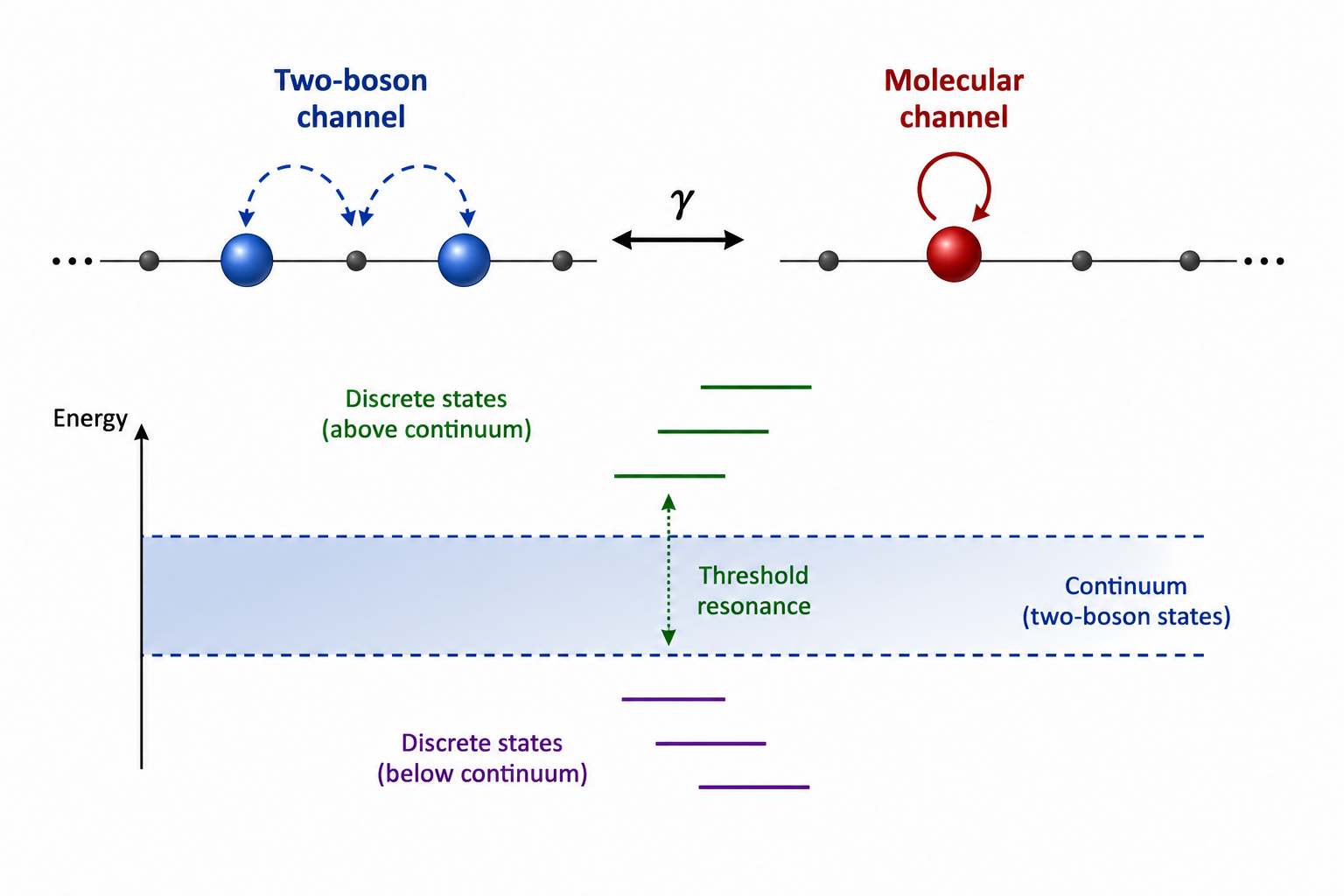
We study a two-channel lattice Hamiltonian in a fixed particle-number sector on the one-dimensional lattice Z. The model consists of a molecular channel coupled to a bosonic two-particle channel with on-site interaction. In the momentum representation, translation invariance yields a family of reduced Hamiltonians Hγ,λ(K) parametrized by total quasi-momentum K∈T, each acting in C⊕L2,e(T).
For contact interactions, each reduced Hamiltonian is a rank-two perturbation of the free diagonal operator. By means of the Lippmann–Schwinger method, the eigenvalue problem for energies outside the essential spectrum [Ԑ-K, Ԑ+K] is reduced to a 2×2 linear system and, equivalently, to the vanishing of an explicit scalar Fredholm determinant involving the one-dimensional lattice Green function. The square-root singularities of this Green function at the band edges E±K etermine the threshold asymptotics of the determinant and lead to explicit criteria for the existence of eigenvalues below the lower threshold and above the upper threshold.
We obtain a complete classification of the discrete spectrum of Hγ,λ(K) for all quasi-momenta in terms of the parameters γ, λ, and E0. We also analyze the threshold configurations E0 =Ԑ±K, the exceptional flat-band fiber K=π, where the essential spectrum collapses to a single point, and the threshold states of the auxiliary rank-one operator hλ(K). For the latter, we provide a weighted-space description of threshold resonances, clarifying how an eigenvalue emerges from a threshold resonance of hλ(K) and approaches a band edge when the interchannel coupling is switched on.
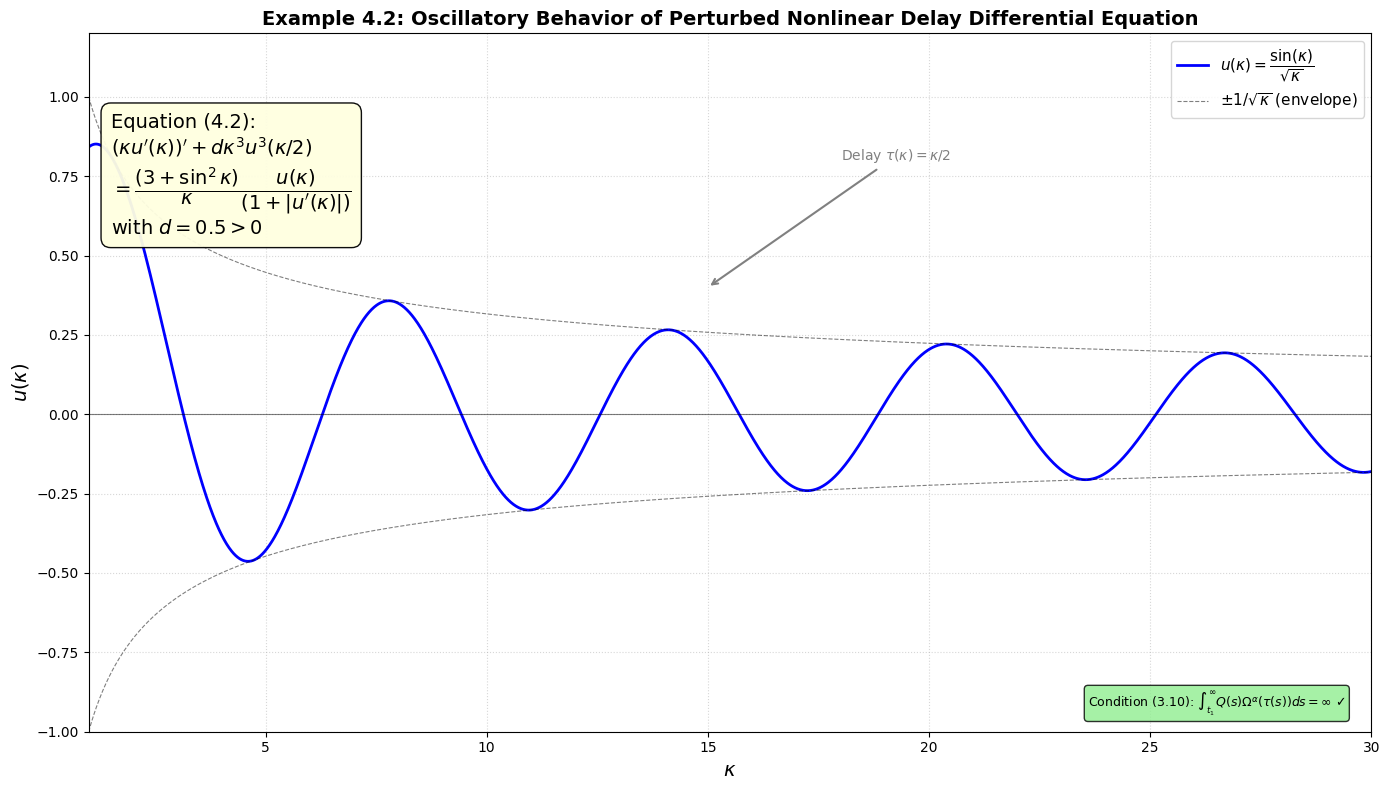
In this paper, a class of second-order perturbed delay differential equation of the form
(η(κ)u′ (κ))′ + f1(κ, u(τ (κ))) = f2(κ, u(κ), u′ (κ))
is considered. Employing the transform technique, the studied equation changed into a binomial type equation and then using Riccati transform, comparison theorem along with integral averaging method some new oscillation criteria are obtained. Examples are provided to show the importance and novelty of the main results.
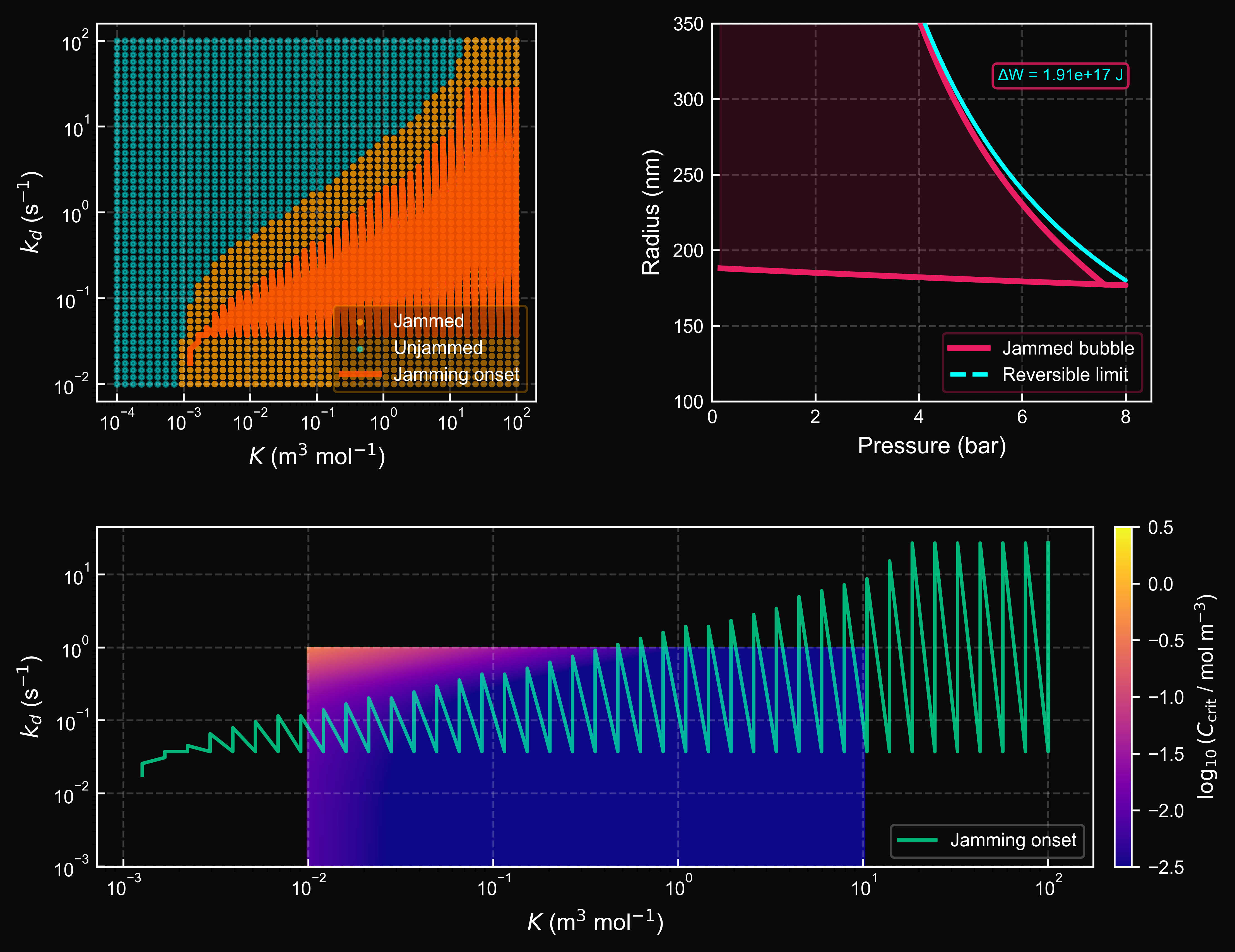
A minimal 0D kinetic model for interfacial jamming of surfactant-stabilised nanobubbles is presented. The model couples Langmuir adsorption kinetics with geometric concentration and mechanical equilibrium. A sharp jamming boundary exists in the (Langmuir affinity, desorption rate) plane; commercial butyl and isobutyl xanthates lie deep inside the jammed region at typical flotation dosages (Monte-Carlo probability 1.00). Hysteresis energy spans 10−14 to 10−9 J, and the critical bulk concentration for jamming ranges from 8.2 · 10−6 to 0.35 mol m−3. The boundary shifts predictably with bulk concentration, pressure, and cycle time, but is insensitive to the shell modulus. Numerical convergence is confirmed, and a one-cycle divergence exponent peaks at +0.42 s−1 near the transition. The model provides a predictive tool for surfactant-stabilised nanobubbles across flotation, catalysis, and biomedical nanosystems.
PHYSICS
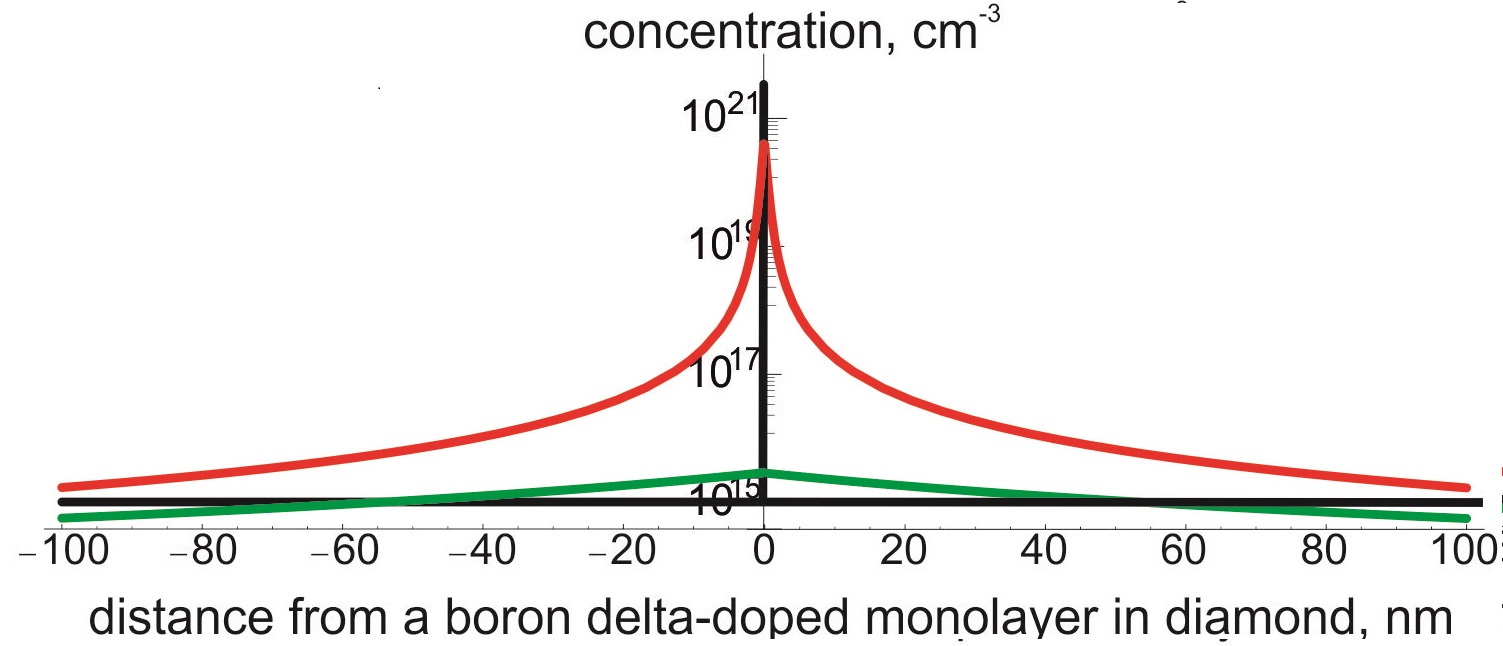
It is shown that subnanometer boron delta-doped layers characteristics in chemically vapor deposited diamond films can be calculated in the quasi-classical approximation both in equilibrium and in an external electromagnetic field ionizing doping boron atoms. The corresponding solutions are found, in the first case – analytically, in the second – numerically. The use of the quasi-classical approximation allows one to simplify significantly the mathematical modeling of diamond structures with subnanometer delta-doped layers, necessary for their application in nanoelectronics, for example in high-speed field-effect transistors.
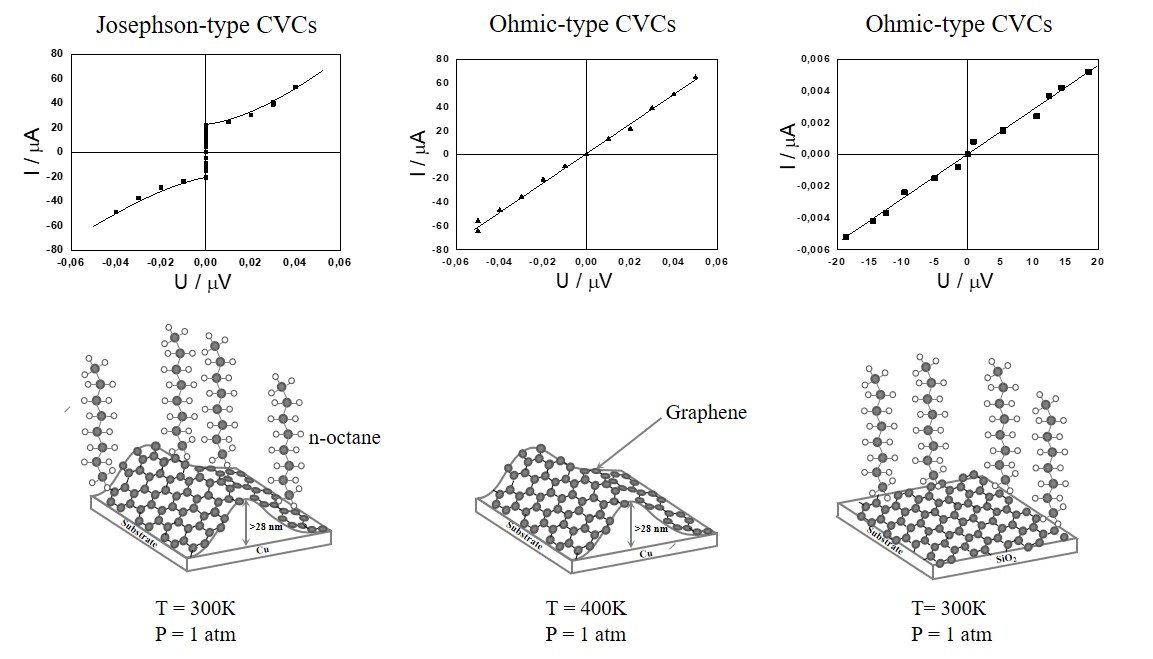
It is shown in the paper that the interaction of highly oriented graphite flakes and graphene films with alkanes is a necessary but insufficient condition for observing the Josephson current-voltage characteristics in them, which is known to be inherent in all superconducting materials. Another key factor is the creation of a deformation field in the graphene material.
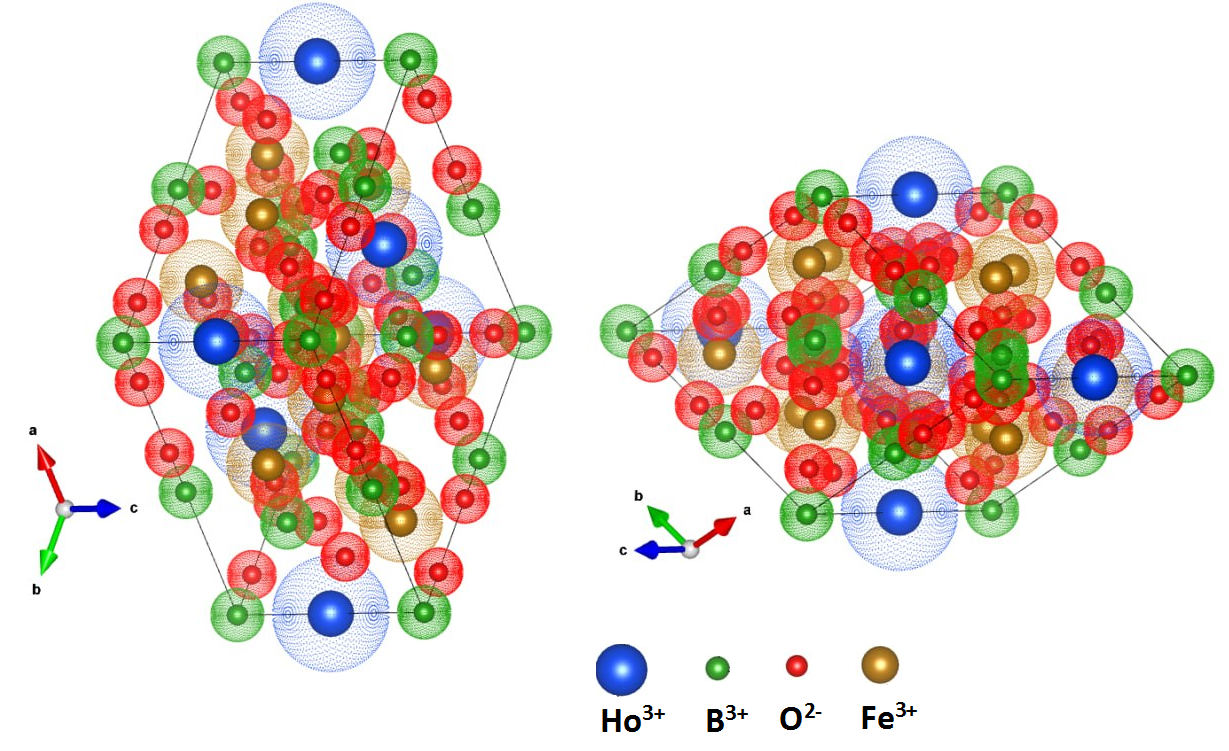
The vibrational and optical properties of HoFe3(BO3)4 single crystals have been investigated by Raman spectroscopy and optical absorption measurements. The Raman spectrum, recorded at room temperature, reveals well-defined phonon modes associated with lattice vibrations and internal modes of structural units. Intense bands in the range 1200 – 1450 cm−1 are attributed to internal vibrations of BO3 groups, while features in the 400 – 700 cm−1 region originate from FeO6 octahedra. The optical absorption spectrum measured in the range 190 – 1100 nm exhibits weak narrow bands in the visible and near-infrared regions, corresponding to intra-4f transitions of Ho3+ ions, and a pronounced absorption edge in the ultraviolet region associated with O2− → Fe3+ charge-transfer transitions. The optical band gap is estimated to be 3.3 – 3.5 eV. A correlation between vibrational and optical properties is established, demonstrating the role of BO3 groups and FeO6 octahedra in determining the electronic structure and optical response of the material. The results provide a consistent experimental characterization of HoFe3(BO3)4 and indicate its potential for optical and magneto-optical applications.
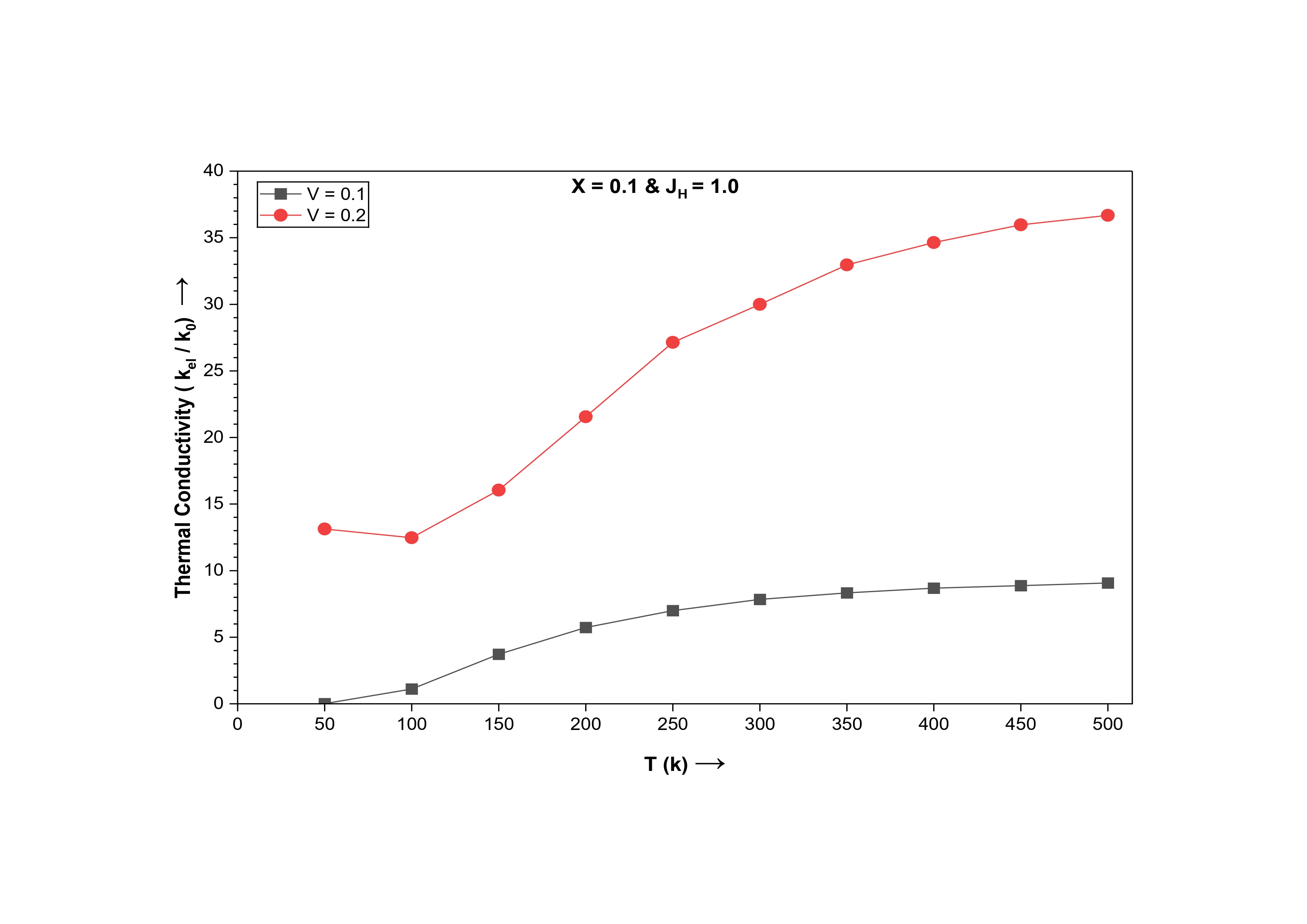
Using the variational method, we have investigated the temperature dependence of the electronic thermal conductivity (kel) in rare-earth manganites doped with alkaline-earth ions, which display the well-known CMR behavior. The analysis is based on a two-band (l − b) Anderson lattice model Hamiltonian appropriate for the strong electron-lattice Jahn–Teller (JT ) coupling regime, consistent with two-fluid descriptions incorporating (l −b) hybridization. Key model parameters includes Coulomb repulsion U , strong Hund’s coupling JH between eg and t2g spins and hybridization V between l-polarons and d-electrons of the same spin. In the ferromagnetic metallic phase, calculations show that the kel increases with increasing temperature and near the transition temperature Tc ≈ 400 K, it shows a minimum or a dip in kel for a fixed value of V , JH and x. The results of kel exhibit a typical crystalline character with grain boundary scattering as a main mechanism limiting the heat transfer in these compounds.
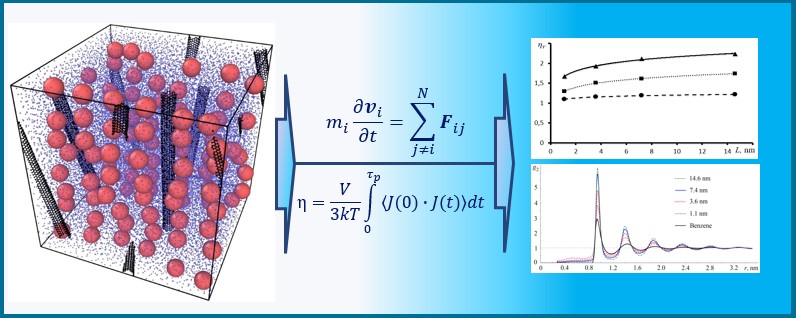
Molecular dynamics method was used to study the viscosity coefficients of benzene-based hybrid nanofluids with single wall carbon nanotubes and copper nanoparticles. The dependence of the viscosity of these nanofluids on the concentration of carbon nanotubes and nanoparticles, as well as on their morphology was studied. It was shown that viscosity of all the studied nanofluids is significantly higher than that of the base fluid and conventional coarse-dispersed fluids. The viscosity coefficient of nanofluid with carbon nanotubes at a given concentration increases with increasing their length (aspect ratio). At equal concentrations, the viscosity of hybrid nanofluids significantly exceeds the viscosity of nanofluid with nanoparticles or carbon nanotubes and increases with decreasing in nanoparticle size. One of the principal factors responsible for the observed increase in the viscosity of nanofluid is the structuring of the base fluid molecules near the nanoparticles or carbon nanotubes.
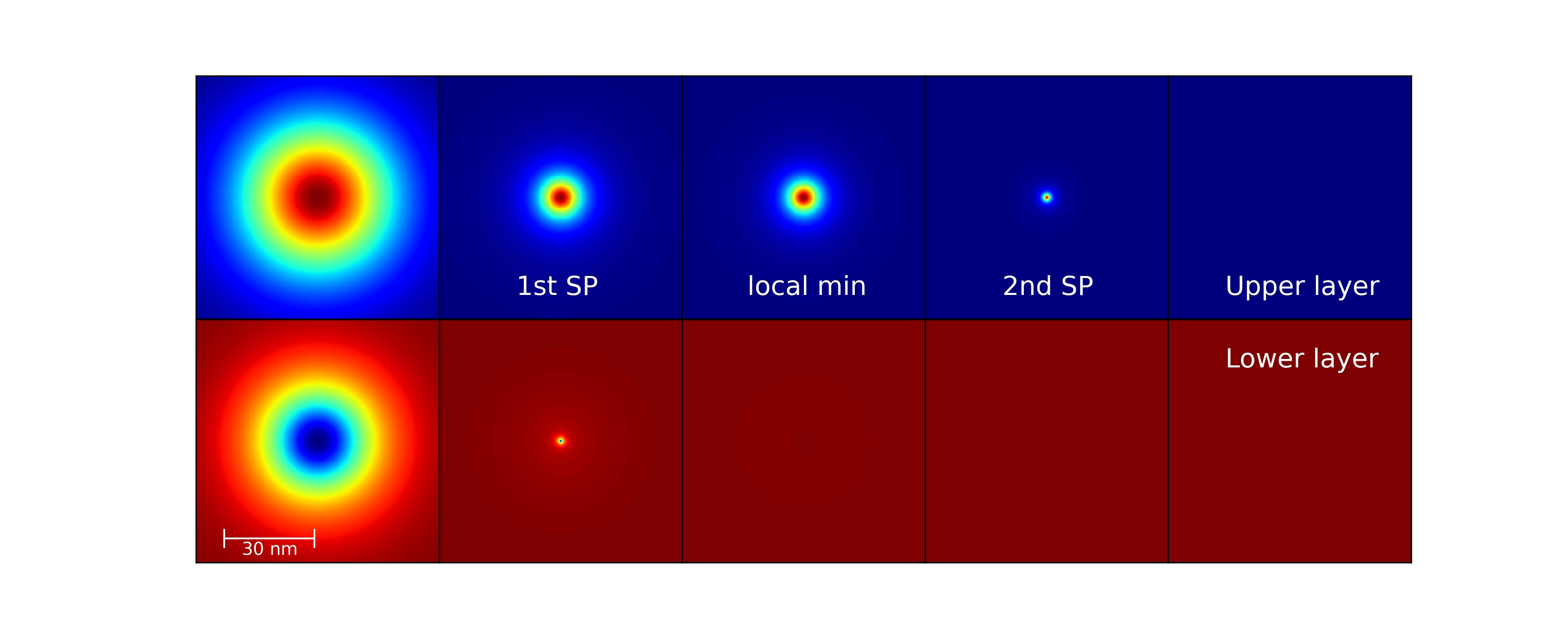
Magnetic skyrmions in synthetic antiferromagnets are promising nanoscale bits, but their usefulness depends on how reliably a written pair survives and can be created. Using a reduced lattice model, we compute minimum energy paths for collapse of an antiferromagnetically bound skyrmion pair and for reverse nucleation from a pinned antiferromagnetic reference state. With antiferromagnetically pinned boundaries, the main saddle energy changes only weakly with pinned-island size, whereas the skyrmion-pair minimum carries a strong size-dependent boundary penalty. For large pinned islands, collapse is layer-sequential and can pass through a single-layer skyrmion intermediate whenever this state satisfies the relaxation criterion. The much larger reverse barrier for nucleation shows a strong asymmetry with collapse in the same pinned-boundary model and is consistent with assisted layer-sequential writing.
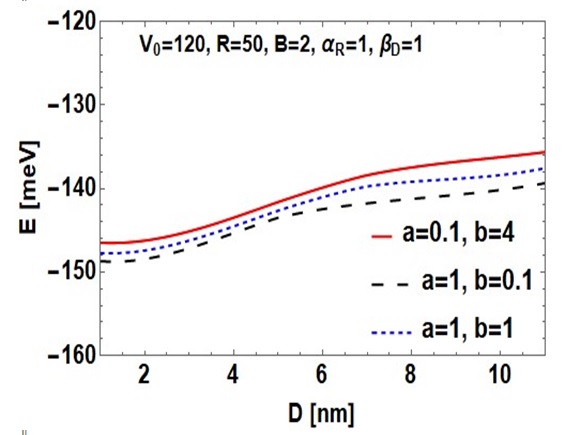
We evaluate the ground state energy of an off-centre Coulomb impurity in an asymmetric Gaussian GaAs quantum dot under a constant magnetic field. Using a unitary transformation, we take into account the combined effect of the Rashba and Dresselhaus interactions treating the coupling terms up to quadratic order. We next treat the transformed Hamiltonian using a variational approach with a suitable ansatz. The findings reveal that the ground state energy increases with growing impurity distance from the confinement centre and with increasing potential asymmetry. Finally, we examine how the asymmetry in the Gaussian confinement influences the magnetic moment and susceptibility of the impurity.
CHEMISTRY AND MATERIALS SCIENCE
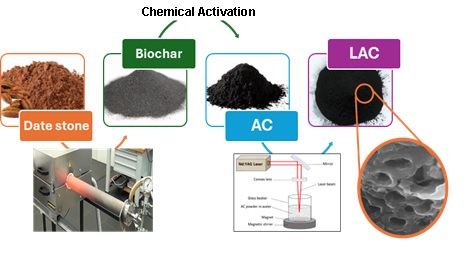
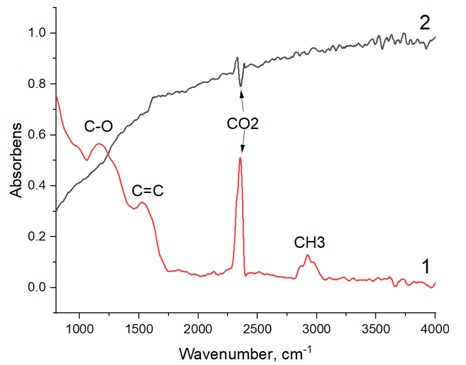
Activated carbon from date stones is a promising material for energy, environmental and catalytic applications due to its high carbon yield, renewable nature, and tunable porosity. This paper presents an extensive comparative study of potassium hydroxide-activated carbon (AC) vs. Nd:YAG laser post-treated activated carbon (LAC), both derived from Jericho date stones. Comprehensive analyses – XRD, SEM, FTIR, nitrogen sorption (BJH, Horvath-Kawazoe, DFT, DR, DA), BET, Langmuir, and t-plot – show striking improvement in LAC’s microporosity, mesoporosity, surface area, and surface chemistry. Benchmarking against published literature, these findings demonstrate unified agreement across models and characterization methods, thus supporting laser post-treatment as an effective complementary strategy for tailoring the textural and surface properties of biomass-derived activated carbon and may offer a promising pathway for further development of sustainable porous carbon materials.
The effectiveness of carbon nanomaterials in purifying water from organic dyes has been proven over the previous decade. However, the problem of industrial application of carbon nanomaterials has not yet been solved. This is primarily due to the high cost and low productivity of carbon nanomaterials synthesis methods. This article presents the thermodynamic and kinetic data of rhodamine 6G and methylene blue adsorption on few-layer graphene. Few-layer graphene was obtained by self-propagating high-temperature synthesis from cellulose. It is a promising method which is inexpensive and easy to scale. It was found that the studied few-layer graphene has a high adsorption capacity for both dyes, and the obtained values of adsorption capacity are higher than most of the studied carbon materials, such as carbon nanotubes or activated carbon. The most common adsorption models were used to describe the thermodynamics of the process. The kinetics of the process are described by a pseudo-second-order equation, which is quite common in graphene materials. The proposed adsorption mechanism is based on hydrophobic interaction between adsorbent and adsorbate with the formation of H-π and π–π bonds.
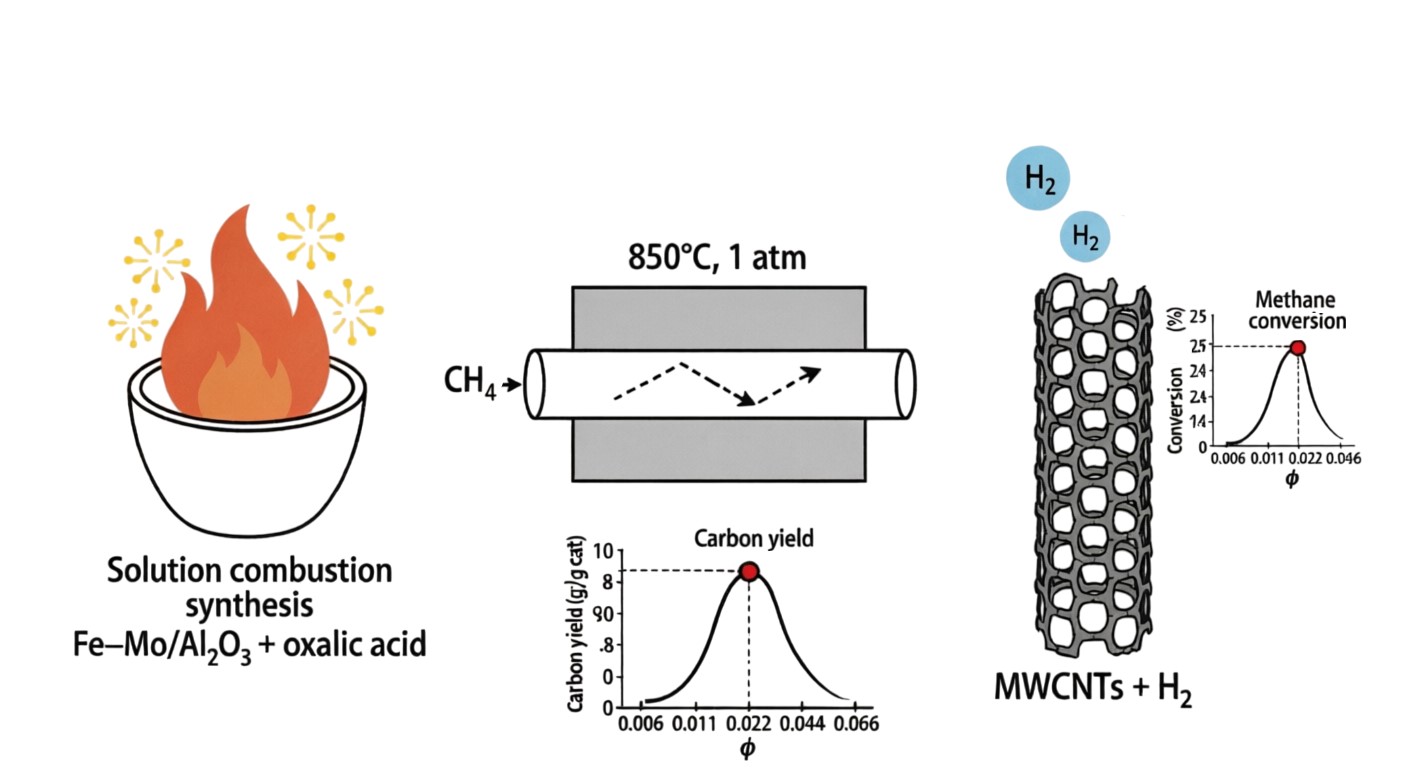
This work reports the synthesis of 80%Fe–10%Mo/10% Al2O3 catalysts via solution combustion synthesis using oxalic acid as fuel. The catalysts were tested in methane decomposition at 850 °C and 1 atm for 6 h. The synthesized samples were characterized by X-ray diffraction, transmission electron microscopy, photosedimentation analysis, etc. The specific carbon yield ranged from 5.8 to 8.4 g/gcat and the hydrogen yield from 1.0 to 1.4 mol/gcat, respectively. Catalytic decomposition of methane over Fe–Mo/Al2O3 led to the formation of mixture of bamboo-like carbon nanotubes and multi-walled carbon nanotubes. It was found that the highest yield of MWCNTs was reached at fuel-to-oxidizer ratio of 0.022.
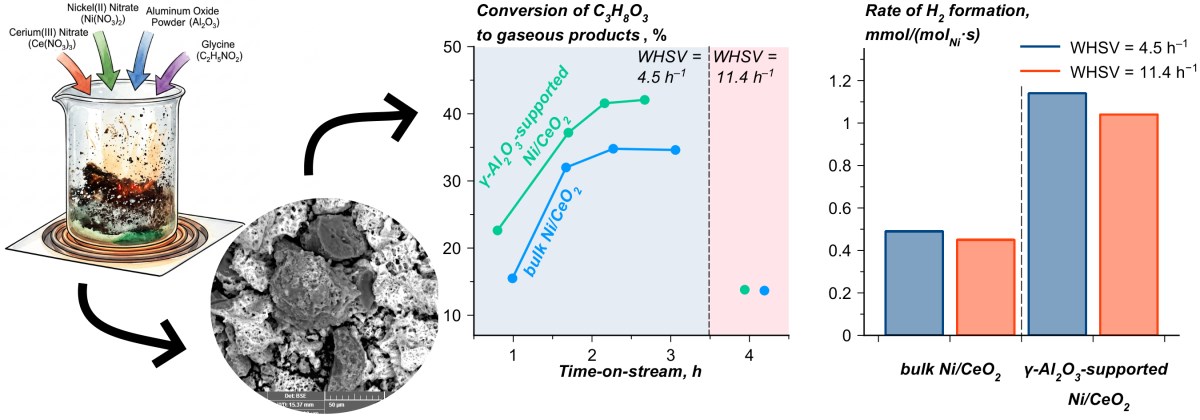
Aqueous-phase reforming (APR) of glycerol for H2 production was evaluated over a supported Ni/CeO2 (CeNi) catalyst prepared by introducing a porous γ-Al2O3 support into the reaction mixture during solution combustion synthesis. This approach enables the preparation of a catalyst with improved pore volume and average pore size, which is crucial for facilitating reactant diffusion. Unlike the bulk CeNi system, the presence of alumina increases the availability of active nickel nanoparticles and enhances ceria and nickel dispersion. The glycerol APR results show that CeNi/γ-Al2O3 provides higher glycerol conversion and hydrogen yield compared to the bulk system. Notably, halving the active component content leads to a 2.3-fold increase in activity, which is independent of the feed flow rate and, consequently, of the extent of diffusion limitations. The catalyst obtained in this study outperformed known analogs in terms of H2 formation rate, while maintaining high glycerol conversion and H2 selectivity.

ISSN 2305-7971 (Online)